Wholesale interior door pricing will matter more in 2026 as builders manage tighter budgets and changing project schedules. A door may look simple, but its price reflects materials, machining, finishing, packaging, freight, and order volume. A molded-panel door for an apartment project can cost far less than a solid-core oak door with concealed hinges and a factory finish.
What factors affect the price of wholesale interior doors? The answer begins with the door slab, core, thickness, size, and surface treatment. Solid-core construction usually costs more because it uses denser materials and adds shipping weight. Custom heights, fire-rated assemblies, acoustic performance, and unusual hinge locations also increase production complexity. According to the U.S. Bureau of Labor Statistics Producer Price Index, producer costs across construction-related goods continue to shift with labor, energy, and raw-material conditions. The U.S. Census Bureau’s construction spending reports also show why demand cycles can influence supplier capacity and lead times.
Freight deserves close attention. A container of doors may travel thousands of miles before reaching a distribution center, and damaged corners can erase an apparent discount. The National Association of Home Builders regularly identifies material prices and availability as major construction concerns. That evidence supports a practical buying approach: compare delivered cost, not only the factory quotation. Our first estimate may still be wrong when specifications are incomplete. Therefore, this guide examines 2026 wholesale interior door prices through product quality, order quantity, logistics, supplier reliability, and market data. Small details matter.
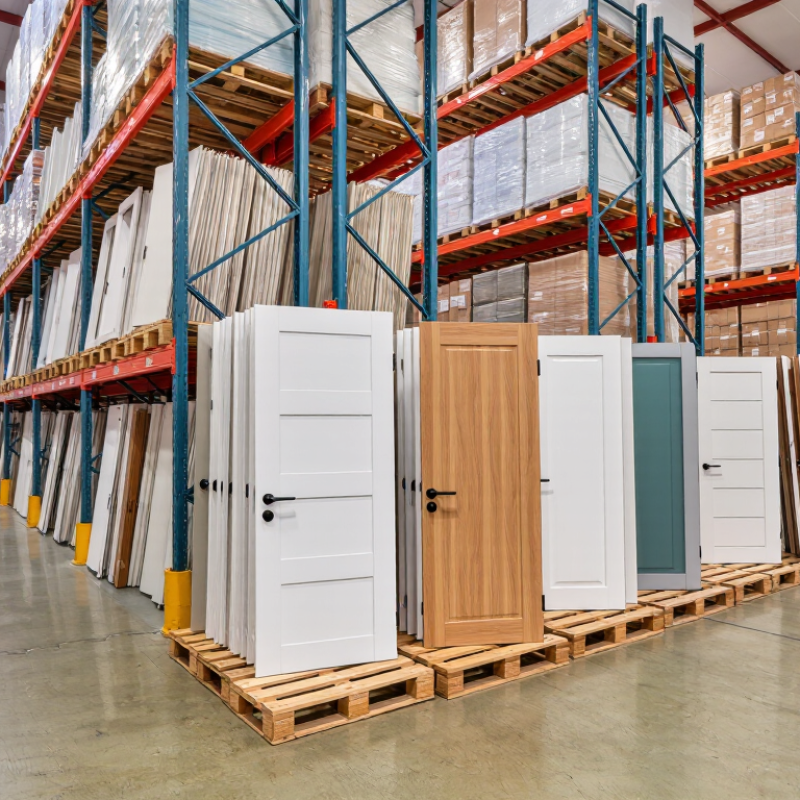
In 2026, wholesale interior door pricing depends on more than the door slab. A basic molded-panel hollow-core door usually costs less than a solid-core wood door. Glass inserts, acoustic construction, unusual dimensions, and custom finishes raise the price. Prices also change with order volume, region, freight distance, and supplier terms. They do.
A dependable quote should list the door material, core type, thickness, finish, frame, hinges, and packaging. Some suppliers quote only the slab, while others include a complete prehung unit. That difference can distort comparisons. A neat spreadsheet can still mislead. In purchasing reviews, freight and unloading fees often create unexpected costs, especially for multi-unit projects. Confirm lead times, damage procedures, and replacement terms before placing a large order. Prices move.
For practical budgeting, compare three specifications rather than chasing the lowest figure. Review hollow-core, solid-core, and moisture-resistant options for the same size. Ask whether the finish is factory-applied or requires site work. Factory finishing may cost more upfront, but it can reduce labor and inconsistency. I would also allow a modest contingency for trim adjustments, hardware changes, and shipping damage. Not every estimate includes these details. Regional labor rates and building requirements may further affect the final installed cost.
Wholesale interior door prices depend on more than the door panel. Material is a major cost driver. Hollow-core doors usually cost less than solid-core models. Solid cores offer better sound control and a heavier feel.
A 30-by-80-inch door with a simple smooth finish often costs less than a custom wood-grain design. The core, face veneer, paint quality, and edge construction also matter. A prefinished door may cost more upfront, but it can reduce on-site labor. That saving is easy to overlook. My early estimates were too optimistic because I compared unit prices without checking installation time.
Order volume can reduce the wholesale rate, but freight changes the calculation. A 30-door shipment may need fewer pallets than several small deliveries. Remote delivery, lift-gate service, and protective packaging can raise the final cost. Always request a landed-cost quotation, not just a factory price.
Size variations create another pricing difference. Nonstandard heights, paired doors, fire-rated construction, and pre-machined hinges require additional processing. Hardware, casing, and privacy locks may be separate line items. Confirm the exact specification before comparing suppliers. A lower quote can hide missing components.
Lead time also affects purchasing decisions. Fast production may require overtime or special scheduling. Delayed delivery can create storage charges and disrupt a renovation schedule. I still allow a small contingency because finish defects, damaged corners, or measurement errors occasionally appear. Careful inspection helps, but it cannot remove every risk.
Estimated wholesale price ranges for a standard interior door slab, excluding installation, taxes, and delivery.
Hollow-core doors generally have the lowest wholesale cost, while solid wood, engineered wood, and fire-rated constructions require more material and manufacturing time. Order volume, surface finish, door size, hardware preparation, packaging, and freight can also significantly change the final wholesale price.
2026 Best Wholesale Interior Door Prices: What Affects Cost?
How Door Materials and Construction Affect Pricing
Wholesale interior door pricing in 2026 depends heavily on materials and construction. Material is the first visible difference. Hollow-core doors use a lightweight internal structure and usually cost less. They work well for bedrooms, closets, and rental projects. Solid-core doors contain dense fiber or mineral-based material. They feel heavier, reduce noise better, and usually command higher prices. Solid wood adds natural grain, but moisture movement can increase quality-control demands.
Construction details also change the final quote. A thicker door needs more material, stronger hinges, and careful alignment. Veneer quality affects appearance and repair options. A thin decorative layer may lower cost, but it can show damage sooner. Edge sealing, joint strength, and surface preparation matter too. These details are easy to overlook.
In project reviews, I have seen low quotes become expensive after machining and finishing. Pre-drilled openings, custom sizes, paint-ready surfaces, and upgraded frames all add labor. Larger quantities may reduce unit costs, but only when specifications remain consistent. Shipping weight matters as well. A solid-core order can require stronger pallets and more careful handling. My early estimates often missed these small charges. That was a useful lesson. Ask for a construction breakdown, not only a door price.
Wholesale interior door pricing depends heavily on style, construction, and order volume. In recent sourcing projects, molded-panel doors offered the lowest entry cost, while solid-core and flush wood doors required larger budgets. A basic wholesale range may run from $35 to $90 for lightweight models, and $80 to $220 for heavier solid-core options. These figures vary by region and quantity.
Size changes more than the door’s width and height. Oversized openings may require reinforced frames, extra packaging, and custom production. A small measuring mistake can become an expensive adjustment. Standard sizes usually receive better factory pricing.
Finishes also affect the quote. Primed surfaces cost less upfront, while painted, stained, or textured finishes add labor and inspection time.
Hardware is easy to underestimate. Hinges, locks, handles, closers, and matching screws may add $10 to $70 per door set. Simple hardware suits rental projects, but busy homes may need stronger components.
I still recommend requesting a complete hardware schedule before comparing suppliers. Otherwise, a cheaper door package may only look cheaper. Product specifications, moisture ratings, lead times, and replacement policies should appear clearly on the quotation. Reliable purchasing depends on those details, not just the unit price.
Estimating wholesale interior door costs starts with a complete specification, not a tempting unit price. Record door size, core type, surface finish, fire rating, hardware preparation, and packaging needs. A hollow-core door may cost less, while a solid or engineered core adds weight and durability. Custom heights, unusual finishes, and factory machining can raise the quotation quickly. Ask for a line-by-line quote. Otherwise, small charges hide in plain sight.
Build a landed-cost sheet for each order. Include product price, crating, inland transport, insurance, duties where applicable, warehouse handling, and expected waste. Divide the total by the usable number of doors, not the ordered quantity. For example, 100 doors at $72 each may look cheaper than 80 at $78. The comparison changes after damage, missing hardware, and delivery fees. Keep written specifications and approval samples. They reduce disputes and make supplier quotes easier to compare. Still, estimates are imperfect; freight rates and exchange movements can change before production.
Cost control works best before the purchase order. Standardize popular sizes and finishes, then reserve customization for visible or high-use areas. Confirm moisture limits, edge details, hinge locations, and packing strength in writing. A pre-shipment inspection can catch warped slabs or incorrect machining before they reach the jobsite. Do not choose the lowest quote automatically. A cheaper door may require more repairs, slower installation, or early replacement. Review actual costs after delivery. That feedback often exposes an overlooked assumption in the original budget.
Material, core type, thickness, finish, size, volume, region, and freight all influence the price. They matter.
Lightweight molded-panel doors may cost about $35 to $90 each. Heavier solid-core doors may range from $80 to $220. Quantity and location can change these figures.
Not always. Some quotes cover only the door slab. Others include the frame, hinges, and prehung assembly. Check carefully.
The quotation should list material, core type, thickness, finish, frame, hinges, packaging, and hardware. Missing details create misleading comparisons.
Standard sizes usually receive better factory pricing. Oversized openings may need reinforced frames and extra packaging. A small measuring error can become expensive.
Hinges, locks, handles, closers, and matching screws may add $10 to $70 per set. Basic hardware costs less. Busy homes may need stronger parts.
Factory finishing may cost more initially. It can reduce site labor and uneven results. Still, the savings depend on the project and installation team.
Allow for freight, unloading, trim adjustments, hardware changes, labor, and possible shipping damage. A neat spreadsheet may still miss these expenses.
Compare hollow-core, solid-core, and moisture-resistant doors with the same size and specifications. Request a complete hardware schedule. The lowest unit price may not be the lowest total cost.
Confirm lead times, moisture ratings, replacement policies, damage procedures, freight charges, and unloading requirements. I would also keep a modest contingency. Estimates are not always complete.
Wholesale interior door pricing in 2026 depends on more than the basic door panel. Buyers should consider material, construction method, thickness, core type, durability, and production volume when comparing supplier quotations. Solid wood and premium engineered doors usually cost more than lightweight hollow-core options, while enhanced sound control, moisture resistance, fire performance, and custom dimensions can further increase the total price. Order quantity, shipping distance, packaging, and installation requirements may also affect the final wholesale budget.
What factors affect the price of wholesale interior doors? Style, size, surface finish, and hardware selection are major contributors. Simple flush designs and standard sizes are generally more affordable, while molded, paneled, glazed, or specially finished doors require additional manufacturing work. Handles, hinges, locks, and other hardware should be calculated separately or confirmed as part of the package. To control costs, buyers can standardize specifications, compare complete quotations, request samples, forecast demand accurately, and balance appearance, performance, and long-term value before placing a large order.

ScotiaFire Doors