China Top 10 Best Ways to Clean Cast Aluminum Entry Doors?

Time:2026-09-11 Author:Sienna
0%

Cast aluminum entry doors combine strength, decorative detail, and long service life. Yet their textured surfaces can trap dust, salt, and oily fingerprints. In coastal Chinese cities, airborne salt may leave pale deposits around hinges, grooves, and lower panels. Cleaning requires control, not aggressive force.

What is the best way to clean cast aluminum entry doors? The answer usually begins with clean water, a soft brush, and a pH-neutral detergent. AAMA 609 and 610-09, the industry’s technical guidance for architectural aluminum finishes, recommends gentle cleaning methods and careful rinsing. Abrasive pads, strong acids, and harsh alkaline chemicals may dull coatings or expose unfinished metal. They can also damage nearby glass, seals, and hardware. Small details matter.

The U.S. Environmental Protection Agency’s Safer Choice program evaluates cleaning ingredients for safety and performance. Its framework supports choosing products with clearly identified ingredients and responsible use instructions. The Aluminum Association also emphasizes aluminum’s durability and recyclability, but durability does not mean maintenance-free. That assumption deserves reflection. Even a premium cast door can develop water spots when rinsing is incomplete. This guide presents ten practical cleaning methods, from routine dust removal to careful treatment of oxidation and stubborn stains. Each method considers finish type, local climate, visible texture, and cleaning frequency. Test first. Work gently. Record what works, because one manufacturer’s “safe” cleaner may still harm another door’s protective coating.
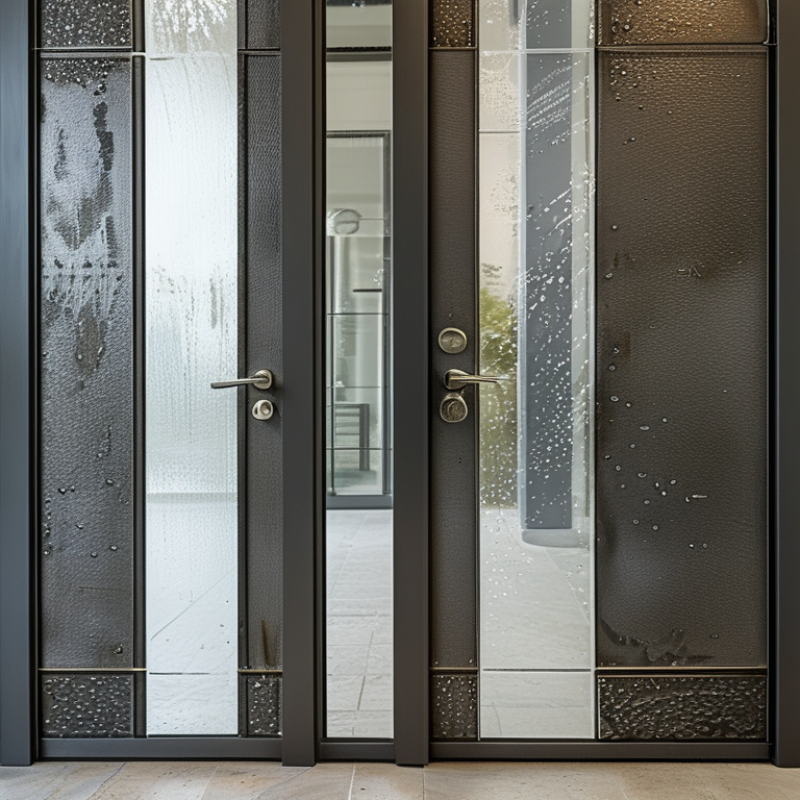
China Top 10 Best Ways to Clean Cast Aluminum Entry Doors?

Cast Aluminum Door Basics: Alloy, Finish Types, and Soil Identification

Cast aluminum doors are not simply “metal doors.” Many architectural castings use A356-type aluminum, which contains roughly 6.5–7.5% silicon, according to Aluminum Association alloy data. Silicon improves casting flow, but the surface may show tiny pores or texture. These areas can hold dust and road soil.

The finish matters before cleaning. AAMA performance standards classify coatings by durability, from basic exterior protection to high-performance architectural systems. Powder coatings usually resist weathering better than untreated paint, but they still need gentle care.

Identify the soil first. Loose dust needs water and a soft brush. Greasy fingerprints need a mild, pH-neutral cleaner. White powder may indicate oxidation, while dark green spots can suggest biological growth. Salt deposits need prompt rinsing.

Strong acids and abrasive pads can damage the coating. I once underestimated fine grit on a cloth; it left faint circular marks under direct sunlight. That mistake is easy to repeat.

Tips: Rinse from top to bottom with clean water. Test cleaner on a hidden corner. Use a soft microfiber cloth, not steel wool. For coastal doors, monthly rinsing is sensible. The American Architectural Manufacturers Association recommends regular washing because deposited contaminants can accelerate finish deterioration. Do not scrub dry soil. A wet surface is safer. For uncertain stains, photograph the area and ask a qualified coatings professional before polishing.

Safety Standards: pH-Neutral Cleaners and ASTM B117 Corrosion Considerations

Cleaning cast aluminum entry doors safely begins with chemistry, not force. A pH-neutral cleaner, usually near pH 6 to 8, helps protect protective finishes and exposed aluminum. Always check the product label and safety data sheet before use. Wear gloves and eye protection, especially when handling concentrated solutions. Keep it gentle.

Remove loose dust with a soft brush or clean water. Then apply diluted cleaner with a microfiber cloth or non-abrasive sponge. Work in small sections, following the door’s grain or surface texture. Rinse thoroughly before the solution dries. Dry the door with a soft towel to prevent water spots. Avoid steel wool, abrasive powders, strong acids, and highly alkaline degreasers. These can stain aluminum or weaken the finish.

ASTM B117 salt-spray testing can help compare corrosion resistance, but it does not guarantee field performance. The test measures behavior in a controlled salt environment, while real doors face rain, pollution, coastal air, and trapped moisture. Check whether the door’s coating system has documented ASTM B117 exposure results, including test duration and failure criteria. More hours do not always mean better maintenance. I have seen corrosion begin around scratches, fasteners, and drainage gaps despite a strong laboratory rating. Inspect these areas during cleaning, and repair damage according to the manufacturer’s technical guidance. A perfect routine is unlikely; careful observation matters more than aggressive scrubbing.

China Top 10 Best Ways to Clean Cast Aluminum Entry Doors? - Safety Standards: pH-Neutral Cleaners and ASTM B117 Corrosion Considerations

Practical cleaning guidance for painted or coated cast-aluminum entry doors. Always follow the door-finish manufacturer's care instructions and test any cleaner on an inconspicuous area first.
No. Cleaning Method Typical pH / Solution Recommended Use Basic Procedure Surface Safety Corrosion Considerations
1 Dry microfiber dusting No solution; dry method Weekly removal of dust and loose particles Wipe gently from top to bottom with a clean, soft microfiber cloth. Very low risk; do not use abrasive or gritty cloths. Prevents grit from retaining moisture or scratching the protective coating.
2 Clean water rinse Approximately pH 6–8, depending on water supply Light outdoor dust and pollen Rinse with low-pressure water, working from the top downward; dry afterward. Safer than high-pressure washing around seals, locks, and glass. Do not allow mineral-rich water to evaporate on the surface; deposits can hold moisture.
3 pH-neutral soap wash About pH 6–8; dilute in clean water Routine cleaning of coated cast aluminum Use a soft sponge or microfiber cloth, rinse thoroughly, and dry with a clean towel. Preferred general-purpose method; avoid prolonged contact. A neutral cleaner limits attack on aluminum, paint, powder coating, and metal hardware.
4 Diluted mild detergent wash Preferably pH 6–8; use the lowest effective concentration Fingerprints, light grease, and urban film Apply with a soft cloth; do not let the solution dry; rinse and dry completely. Check compatibility with the door's paint, clear coat, and weather seals. Avoid detergents containing strong builders, bleach, or abrasive particles.
5 Soft-brush crevice cleaning Use a pH-neutral soap solution Ornamental recesses, cast details, and drainage channels Agitate gently with a soft nylon brush, rinse fully, and remove trapped water. Never use wire brushes, steel wool, or sharp tools. Removing trapped dirt and water reduces localized staining and crevice corrosion risk.
6 Salt-residue removal Fresh clean water followed by pH-neutral soap Coastal areas or winter de-icing-salt exposure Rinse salt deposits promptly, wash gently, rinse again, and dry all joints and edges. Avoid aggressive scrubbing, especially where the coating is chipped. Chloride salts can promote corrosion; frequent rinsing is more suitable than harsh chemicals.
7 Hard-water spot treatment Use a finish-approved, mild acidic cleaner only when necessary Calcium or mineral deposits that remain after normal washing Test first, apply briefly with a soft cloth, rinse copiously, and dry immediately. Do not use acids on unprotected aluminum or damaged coatings without professional advice. Acid residue can attack aluminum and coatings; complete rinsing is essential.
8 Bird-dropping or organic-stain removal Warm water with pH-neutral soap Localized biological deposits Soften the deposit with a wet cloth; lift rather than scrape; wash, rinse, and dry. Wear gloves and eye protection; avoid dry scraping. Prompt removal limits acidic or salty residue remaining against the coating.
9 Non-abrasive spot cleaning pH-neutral cleaner; follow its safety data sheet Small scuffs or localized grime Use a small amount on a soft cloth, wipe lightly, rinse the area, and dry. Avoid melamine pads, polishing compounds, and abrasive powders on painted finishes. A scratched coating exposes aluminum and can increase localized corrosion susceptibility.
10 Post-cleaning inspection and drying No cleaner; dry, clean surface Every cleaning cycle and seasonal maintenance Inspect edges, fasteners, joints, drainage paths, and coating damage; dry and report defects. Do not seal, paint, or repair damaged areas without compatible materials and preparation. ASTM B117 is a controlled salt-spray laboratory practice, not a direct prediction of outdoor service life; use it with coating specifications and field inspections.
Safety baseline: Prefer pH-neutral cleaners, soft tools, low-pressure rinsing, and complete drying. Do not mix cleaning chemicals. Avoid strong acids, strong alkalis, chlorine bleach, solvents, abrasive powders, wire brushes, and pressure washing near seals or hardware unless the finish supplier specifically approves them.

Top 10 Cleaning Methods for Cast Aluminum Entry Doors in China

Cast aluminum entry doors in China face dust, humidity, rain spots, and coastal salt air. A careful routine protects both appearance and finish. Start by removing loose dust with a dry microfiber cloth. Vacuum narrow grooves and corners with a soft brush attachment. Mix mild soap with warm water, then wash small sections gently. Use a soft nylon brush for textured casting, never a metal brush. Rinse with clean water, especially after washing near the coast. Dry the surface immediately with a lint-free towel. Water left in seams may create dull marks.

For fingerprints and fresh stains, use a damp cloth and light pressure. Clean the threshold separately, where grit can scratch the lower edge. Mineral deposits need caution; test diluted white vinegar on a hidden area only when the finish allows it. Rinse that area quickly. A small amount of compatible protective wax can add resistance, but follow the coating supplier’s instructions. I have found that over-cleaning sometimes makes the finish look uneven. That was a useful mistake. Avoid abrasive powders, bleach, strong solvents, and pressure washers. Inspect the door every few months, particularly after typhoons or dusty weather. Ten minutes of gentle care usually works better than aggressive scrubbing.

Step-by-Step Cleaning: Rinse, Wash, Brush, Rinse, and Dry

Cleaning a cast aluminum entry door starts with a gentle rinse. Use a garden hose on low pressure to remove dust, sand, and loose grit. This prevents scratching during washing. Mix warm water with a small amount of pH-neutral soap. Apply it with a soft microfiber cloth, working from the top downward. The Fenestration and Glazing Industry Alliance recommends mild soap and water for many coated architectural surfaces. Avoid strong acids, abrasive powders, and steel wool.

Brush carefully around hinges, corners, drainage holes, and decorative grooves. A soft nylon brush reaches these tight areas without cutting the finish. Do not force stubborn marks. A slightly dull patch may remain, and that is a useful warning. Harsh scrubbing can remove more finish than dirt. After washing, rinse the entire door again with clean water. Check the lower edge, where dirty foam often collects. Dry immediately with a clean, lint-free towel.

Tips: Clean in shade, not under direct afternoon sun. Test the solution on a hidden area first. The Aluminum Association reports that recycling aluminum saves about 95% of the energy used for primary aluminum production. Preserving the existing door supports that environmental advantage. Still, this method is not perfect for oxidized or deeply stained surfaces. Stop if the color changes, and consult a qualified door-care professional before using restoration chemicals.

China Top 10 Best Ways to Clean Cast Aluminum Entry Doors

Typical task time for cleaning and maintaining one cast aluminum entry door

Start by removing loose dust, then rinse, wash with mild soapy water, gently brush textured areas, rinse again, and dry completely. Bird droppings and oxidation should be treated promptly. Avoid abrasive pads, strong acids, and harsh alkaline cleaners that may damage the finish. Times are practical estimates for one standard door and can vary with surface condition.

Post-Cleaning Care: AAMA 2605 Finishes, Inspection, and Maintenance Frequency

After cleaning a cast aluminum entry door, careful post-cleaning care protects its AAMA 2605 finish. This specification indicates a high-performance organic coating designed for demanding exterior exposure. It does not make the surface maintenance-free. Allow the door to dry completely, then inspect it in daylight. Look for cloudy patches, exposed metal, bubbling, chalking, or scratches near the handle and lower edge.

Use a clean microfiber cloth to remove remaining water from joints and decorative grooves. Check the weatherstripping for dirt or flattening. Inspect hinges, locks, thresholds, and drainage gaps without forcing any hardware. A small scratch can worsen if moisture remains underneath. I once overlooked a damp lower corner, and discoloration appeared later. That mistake reinforced the value of a slow inspection.

In mild environments, inspect the finish every three months and clean it twice yearly. Coastal air, road salt, dust, and heavy rainfall require more frequent attention. Monthly checks may be sensible in those conditions. Rinse salt or grime with clean water before it dries. Avoid abrasive pads, harsh solvents, and pressure directed at seals. Record the inspection date and photograph unusual changes. Maintenance intervals should follow actual exposure, not a rigid calendar. Door orientation matters too. A shaded entrance may stay clean, while a south-facing door can fade sooner.

FAQS

: What are cast aluminum entry doors commonly made from?

: Many architectural doors use A356-type aluminum. It contains about 6.5–7.5% silicon. Silicon improves casting flow. Tiny pores and textured areas may collect dust.

How should I identify the dirt before cleaning?

Loose dust usually needs water and a soft brush. Greasy fingerprints need mild, pH-neutral cleaner. White powder may indicate oxidation. Dark green spots can suggest biological growth. Salt deposits require prompt rinsing.

What is the safest basic cleaning method?

Rinse the door from top to bottom. Use clean water and a soft microfiber cloth. Wash small sections with mild soap and warm water. Keep the surface wet while cleaning. Never scrub dry soil.

How should I clean textured grooves and narrow corners?

Use a soft nylon brush for textured casting. A vacuum with a soft brush attachment can reach narrow grooves. Clean the threshold separately. Grit near the bottom edge can cause scratches.

Can I use vinegar on mineral deposits?

Test diluted white vinegar on a hidden area first. Use it only when the finish permits. Rinse the test area quickly. Do not assume every coating reacts safely. Caution matters here.

Which cleaning products and tools should I avoid?

Avoid abrasive powders, steel wool, bleach, and strong solvents. Do not use metal brushes. Avoid pressure washers near seals and hardware. Fine grit once left faint circular marks on my cloth. That mistake is easy to repeat.

How should I care for the finish after washing?

Dry the door immediately with a lint-free towel. Remove water from joints and decorative grooves. Inspect the surface in daylight. Look for clouding, bubbling, chalking, scratches, or exposed metal. Check the weatherstripping and drainage gaps.

How often should a cast aluminum door be inspected?

Mild environments may need inspections every three months. Cleaning twice yearly may be enough. Coastal air, road salt, dust, and heavy rain require more attention. Monthly checks can be sensible near the coast. Exposure matters more than a fixed calendar.

What should I do about an uncertain stain or new discoloration?

Photograph the area before polishing or heavy cleaning. Record the inspection date. Ask a qualified coatings professional for advice. Do not force hinges, locks, or seals. A damp lower corner caused discoloration once. Slow inspection helps.

Conclusion

Cast aluminum entry doors are durable, decorative, and suitable for many Chinese homes and commercial buildings, but their cleaning needs depend on the alloy, surface finish, and type of soil. Before cleaning, identify whether the door has dust, grease, water stains, oxidation, or biological residue. What is the best way to clean cast aluminum entry doors? The safest approach is to use clean water, a soft cloth or sponge, and a pH-neutral cleaner that will not damage the protective finish or increase corrosion risk. Avoid harsh acids, strong alkalis, abrasive powders, and rough metal tools.

A practical cleaning routine includes gently rinsing the door, washing from top to bottom, brushing textured areas with a soft-bristle brush, rinsing away all residue, and drying completely to prevent water spots. Mild detergent solutions, warm water, microfiber cloths, and careful spot cleaning are among the top methods. Afterward, inspect seams, corners, fasteners, and coating damage. Finishes designed to meet AAMA 2605 performance expectations should be maintained regularly, with cleaning frequency adjusted for humidity, pollution, salt exposure, and visible dirt.

Sienna

Sienna

Sienna is a skilled marketing professional with a deep expertise in our company’s core products and services. With a passion for innovation and detail, she plays a pivotal role in crafting insightful blog posts that not only highlight the unique features of our offerings but also provide valuable......