When considering door materials, buyers often face a crucial choice: WPC or PVC? Understanding the "Difference between WPC and PVC doors explained" is vital. WPC, or Wood-Plastic Composite, boasts natural wood fibers combined with thermoplastics. This combination results in a sustainable option with a unique aesthetic appeal.
In a recent industry report, the demand for non-wood materials surged by 45% in the last five years. These materials, including WPC and PVC, offer durability and resistance to moisture, making them ideal for humid environments. However, one must also consider factors like cost, maintenance, and longevity in their decision-making.
PVC doors, while cost-effective, may lack the visual warmth of WPC. Some buyers report dissatisfaction with PVC’s inability to mimic natural wood grain effectively. Conversely, WPC can be pricier but often offers better insulation and a more premium feel. Weighing these details is essential for making an informed choice that aligns with your home's design and functional needs.
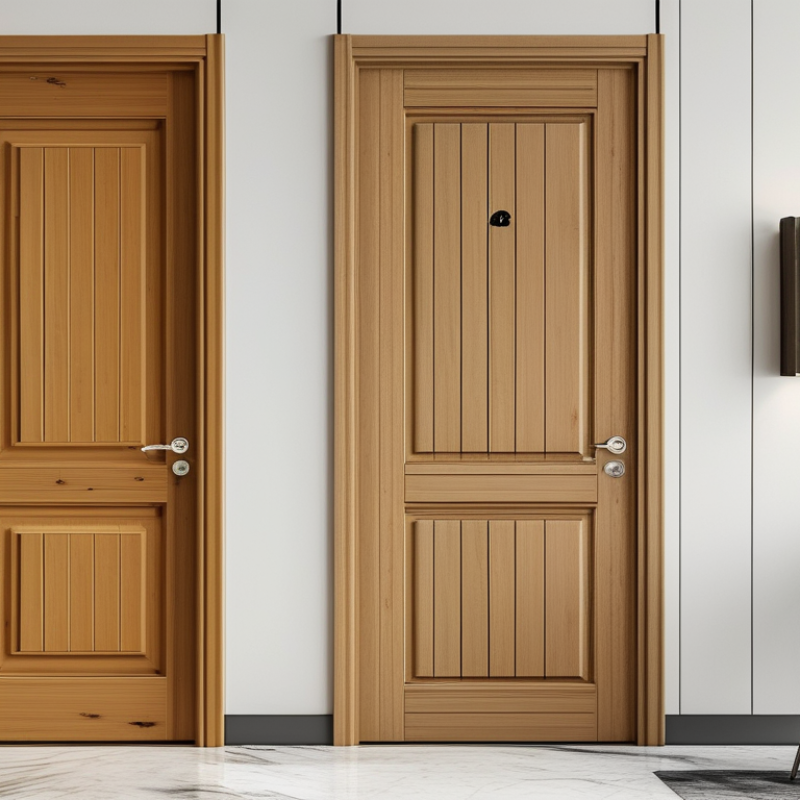
Understanding WPC and PVC: Definitions and Characteristics
WPC (Wood Plastic Composite) and PVC (Polyvinyl Chloride) doors are designed to meet various needs in the construction industry. WPC doors combine wood fibers and plastic, providing a natural appearance while being resistant to moisture. According to a report by "MarketsandMarkets," the WPC market is expected to witness a compound annual growth rate (CAGR) of 11.5% from 2020 to 2025. This rapid growth highlights the rising demand for sustainable building materials.
On the other hand, PVC doors are made entirely from synthetic materials, offering excellent durability and low maintenance. Industry studies indicate that PVC doors can last over 30 years without significant degradation. Their resistance to factors like rot and pest damage makes them a popular choice for various climates. However, potential buyers should be aware of their environmental impact, as PVC is a plastic that poses recycling challenges.
Tip: Consider the specific climate conditions of your area before choosing between WPC and PVC. Your choice can affect longevity and maintenance requirements.
Both materials have their pros and cons. While WPC doors look more natural, they may not hold up as well in extreme weather. PVC doors are highly durable but can appear less aesthetically pleasing. Understanding these characteristics helps buyers make informed choices.
Key Differences Between WPC and PVC Doors in Composition
When choosing doors for home improvement, understanding the differences between WPC (Wood Plastic Composite) and PVC (Polyvinyl Chloride) doors is vital. Composition is a key aspect. WPC doors combine wood fibers with plastic, making them eco-friendly and durable. They are resistant to moisture and insects, which is crucial in humid climates. In contrast, PVC doors are made entirely of plastic. They are lightweight and offer a seamless appearance but may not provide the same strength as WPC.
According to industry reports, WPC doors boast a lifespan of over 20 years, while PVC doors typically last around 10 to 15 years. This difference can significantly impact long-term costs. WPC doors are also better insulated than PVC. They provide better energy efficiency, especially in extreme weather conditions. Keep this in mind when deciding for your space.
Tips: Consider your climate before making a choice. If you live in a humid area, WPC doors might be the best fit. Also, think about maintenance needs. PVC generally requires less upkeep, while WPC may need resealing over time. Weigh the pros and cons carefully. What works for one might not work for another.
Durability and Maintenance: WPC vs. PVC Door Performance
When choosing between WPC and PVC doors, durability and maintenance play crucial roles. Both materials offer unique advantages, but their performances vary significantly under different conditions. WPC, or Wood Plastic Composite, combines wood fibers and thermoplastics, making it resistant to moisture. However, it may require more maintenance over time, especially in humid climates. On the other hand, PVC, or Polyvinyl Chloride, is less susceptible to moisture damage, maintaining its integrity in diverse environments.
Tips for maintaining your WPC doors: Regular cleaning is essential. Use a mild soap solution and a soft cloth. Avoid harsh chemicals that can degrade the material. Inspect the doors for signs of wear, especially in high-traffic areas. This proactive approach can help keep your doors looking new longer.
In contrast, PVC doors need minimal maintenance. A simple wipe-down is usually sufficient. However, UV exposure can lead to fading over time. Consider using a UV-resistant coating if your doors receive a lot of sunlight. While PVC doors can withstand the elements, they can become brittle in extreme temperatures.
Making an informed choice involves weighing these factors. Remember that each material comes with its set of challenges. Understand the specific conditions of your environment before deciding.
Top Difference Between WPC and PVC Doors Explained for Buyers
| Feature |
WPC Doors |
PVC Doors |
| Material Composition |
Wood Polymer Composite (WPC) |
Polyvinyl Chloride (PVC) |
| Durability |
Highly durable; resistant to warping and cracking |
Moderately durable; may become brittle over time |
| Moisture Resistance |
Excellent moisture resistance, ideal for humid conditions |
Good moisture resistance, but may not perform well in extreme conditions |
| Insulation Properties |
Better thermal and sound insulation |
Moderate insulation properties |
| Maintenance |
Low maintenance; easy to clean |
Low maintenance; may require occasional cleaning for stains |
| Cost |
Higher initial investment |
Generally lower cost |
| Environmental Impact |
Eco-friendly options available; recyclable |
Less eco-friendly; involves plastic production |
Aesthetic Options: Design Choices for WPC and PVC Doors
When selecting between WPC and PVC doors, aesthetic options play a vital role. WPC doors often feature a wood-like finish, making them popular for traditional interiors. The grain patterns and colors can mimic natural wood, giving a warm, rustic feel. On the other hand, PVC doors offer a sleek, modern appearance. Their designs vary widely, with glossy finishes and vibrant colors to suit contemporary styles.
Customization is crucial in design choices. WPC doors can be easily painted or stained, providing flexibility for homeowners. However, the color options might be limited when compared to PVC. PVC doors come in an array of colors and textures. They can be designed to match any decor, from minimalistic to extravagant. The choice between textures and patterns can be overwhelming.
Some buyers may struggle to decide. WPC doors cater well to those who appreciate a natural look but may not always hold up against moisture. PVC doors resist warping and are easy to maintain, yet they might lack the richness of wood alternatives. Finding that perfect balance between aesthetics and functionality requires careful consideration. Each material has its unique charm, making the choice personal and subjective.
Cost Analysis: Budgeting for WPC vs. PVC Doors
When considering WPC and PVC doors, cost analysis plays a pivotal role. Generally, WPC doors are priced between $25 and $50 per square foot, while PVC doors range from $15 to $35. This price variance arises from material composition and durability. A recent report from the Building Materials Association shows that WPC, being more robust, may require higher initial investment but offers better longevity.
Investing wisely is crucial. Here are some tips. Always account for installation costs. They can add an additional 30% to your overall budget. Evaluate the long-term benefits against short-term savings. A WPC door might seem pricier, but its durability can result in lower replacement costs over time.
Consider the maintenance aspects as well. WPC doors are more resistant to moisture and pests, which translates to lower upkeep costs. On the flip side, PVC doors can be susceptible to fading in direct sunlight. Understanding these aspects can guide buyers in making informed decisions. Don't forget to explore local building codes or regulations that might affect your choice as well.
Cost Comparison: WPC vs. PVC Doors
This chart compares the average cost per square foot of WPC and PVC doors, with WPC doors generally being more expensive due to their composition and durability features.
FAQS
: WPC doors combine wood fibers and plastic, while PVC doors are made entirely from synthetic materials.
PVC doors can last over 30 years without significant degradation in most environments.
WPC doors have a natural appearance and are resistant to moisture.
WPC doors offer a wood-like finish, while PVC doors provide a sleek, modern look with various colors.
WPC doors can be painted or stained, but color options for PVC doors are wider and more varied.
Cost analysis is vital; WPC doors are pricier but offer better longevity than PVC doors.
Installation can add 30% to the total budget; always factor this into your financial planning.
WPC doors have lower upkeep costs due to moisture resistance, while PVC may fade in sunlight.
Yes, PVC poses recycling challenges, making its environmental impact a concern for potential buyers.
Consider aesthetics, durability, maintenance, and budget to find a balance that suits your needs.
Conclusion
The article "Top Difference Between WPC and PVC Doors Explained for Buyers" provides a comprehensive overview of two popular door materials: Wood Plastic Composite (WPC) and Polyvinyl Chloride (PVC). It begins by defining each material and highlighting their characteristics, which serve as a foundation for understanding their unique properties. The key differences between WPC and PVC doors are detailed in terms of composition, revealing how these variations affect their performance and maintenance needs.
Further, the article addresses durability, comparing how each type holds up over time and what maintenance is required. Aesthetic options are also covered, showcasing the design variety available for both WPC and PVC doors. Finally, a cost analysis aids buyers in understanding the financial implications of choosing either material, helping them to make informed decisions. Overall, the article encapsulates the difference between WPC and PVC doors explained, guiding potential buyers through their options.

 ScotiaFire Doors