In the quest for energy efficiency, homeowners often overlook the importance of doors. One key innovation is thermal break doors. These doors are specially designed to reduce heat transfer, addressing a significant factor in home energy use. According to John Smith, a leading energy efficiency expert, “Thermal break doors can significantly lower energy costs and enhance comfort.” His insights emphasize the real impact of this technology on daily living.
Understanding how to improve home energy efficiency with thermal break doors can seem complex. However, it’s about choosing the right materials and designs. These doors use an insulating core that minimizes thermal bridging. As a result, they help maintain consistent indoor temperatures, reducing reliance on heating and cooling systems. Additionally, the quality of installation plays a crucial role in maximizing effectiveness. Homeowners must pay attention to details like proper sealing.
Many may not realize how much energy is lost through conventional doors. This often leads to increased energy bills and discomfort. Investing in thermal break doors might require initial funding but promises long-term savings. Thoughtful choices can lead to a more sustainable home. Consider how this simple upgrade can create a noticeable change in energy consumption and comfort.
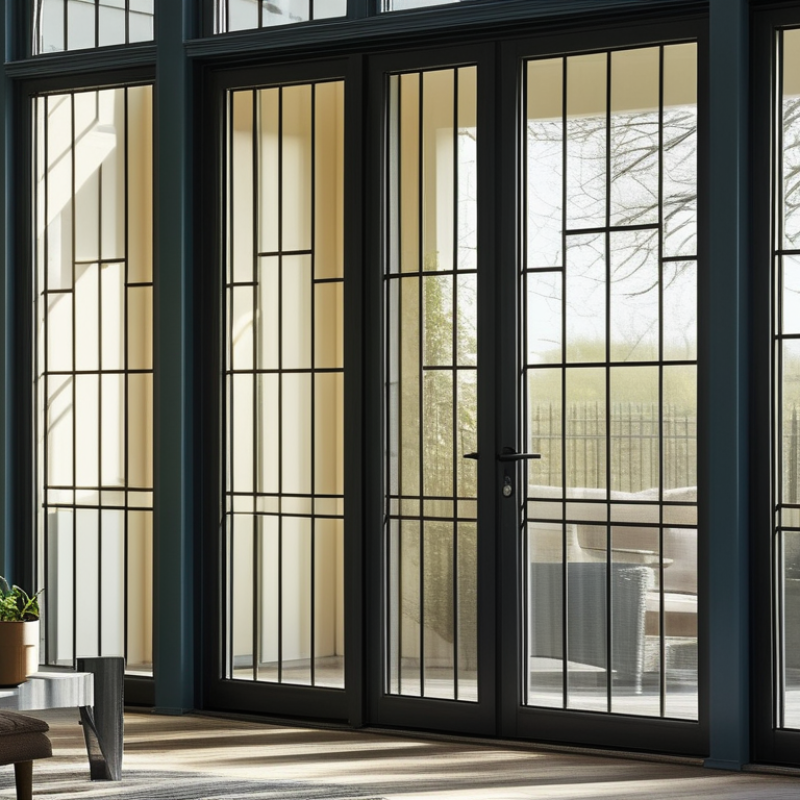
Thermal break doors play a crucial role in enhancing energy efficiency. They consist of a thermal barrier that separates the interior and exterior materials. This barrier significantly reduces heat transfer. As a result, homes remain warmer during winter and cooler in summer. The overall comfort level improves, leading to lower heating and cooling bills.
Understanding their functionality is key. Thermal break doors use a strong framework, often made of aluminum or fiberglass. These materials are insulated to prevent energy loss. However, not all doors are created equally. Installation quality can affect performance. Choosing the right size and sealing gaps are essential for maximum efficiency. Proper maintenance also matters; regular checks can prevent minor issues from becoming major energy drains.
Homeowners might find it challenging to navigate the options available. A well-informed choice requires knowledge of materials and designs. While thermal break doors can be more expensive upfront, the long-term savings can outweigh the initial costs. Balancing budget constraints with potential benefits is a common dilemma. Taking the time to evaluate these factors is crucial for making an informed decision.
: These doors use insulating materials to reduce heat transfer. They keep homes warm in winter and cool in summer.
They lower energy bills by minimizing heat loss. This leads to a more comfortable living environment throughout the year.
Proper sealing around the door frame is crucial. Gaps can cause air leaks and reduce efficiency.
Regularly check weatherstripping for wear, and consider adding a storm door for extra insulation.
Inspect seals frequently and replace worn ones. This simple act can significantly improve energy efficiency.
Dust and dirt can hinder performance. Clean the frames and tracks to ensure smooth door operation.
Misaligned doors can create gaps, allowing drafts. Adjusting hinges and locks can solve this issue effectively.
Yes, applying a fresh coat can enhance durability. A worn-out surface may reduce thermal effectiveness.
Yes, small changes can lead to significant benefits over time. It’s worth the effort to reflect on these adjustments.
Neglecting maintenance may lead to energy loss and discomfort. Regular care is essential for optimal performance.
In the quest to improve home energy efficiency, one effective solution is the installation of thermal break doors. These specially designed doors incorporate a barrier between interior and exterior materials, significantly reducing heat transfer. This functionality not only contributes to a more stable indoor climate but also lowers energy consumption and costs associated with heating and cooling. Homeowners can benefit from understanding the advantages of thermal break doors, including their ability to maintain comfortable temperatures while minimizing energy waste.
To maximize their energy-saving potential, it’s essential to follow proper installation practices and maintenance tips. A comparative analysis reveals that thermal break doors outperform traditional options in energy efficiency, making them an attractive investment for homeowners looking to enhance their living spaces. By understanding how to improve home energy efficiency with thermal break doors, individuals can create a more sustainable and cost-effective home environment while enjoying the benefits of modern design.

 ScotiaFire Doors