Installing a steel security door is a practical choice for enhancing home safety. Many homeowners ask, "Can I install a steel security door myself?" This question reflects both curiosity and concern about the installation process. While professional help is always an option, many find DIY projects rewarding.
Before diving in, consider your skill level. Installing such a door requires tools and techniques that may not be familiar to everyone. It's crucial to measure accurately. A miscalculation can lead to gaps, making the door less secure.
Research is essential. There are many resources available online that provide step-by-step guides. However, be wary of misinformation. Not all online advice holds up in real situations. It's worth watching tutorials and reading reviews to make informed choices. In the end, if you feel confident in your abilities, you just might succeed in your DIY endeavor while ensuring your home remains safe.
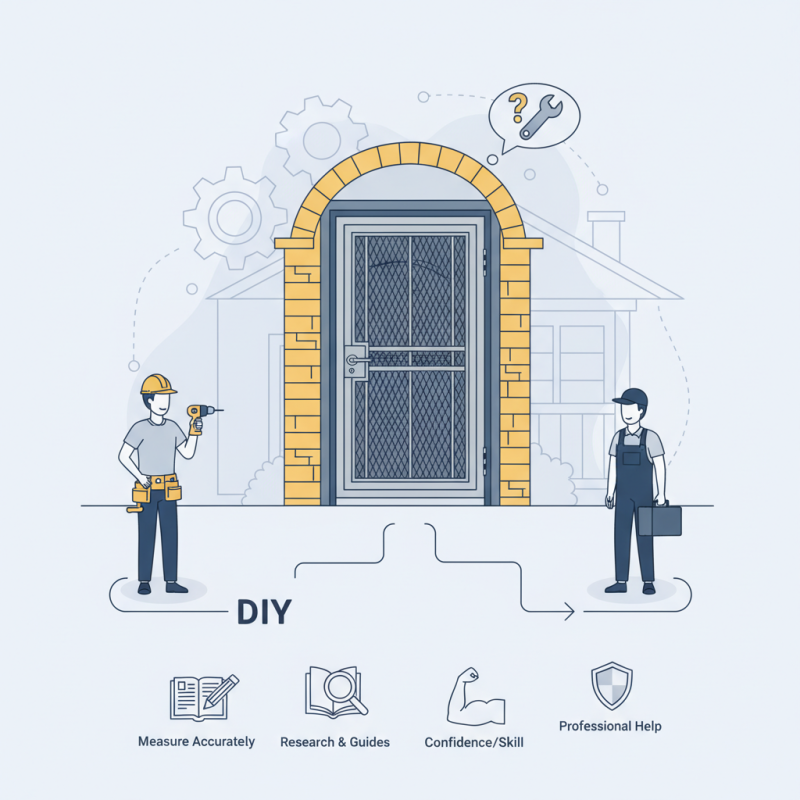
Steel security doors are a reliable choice for enhancing home safety. They provide strength and durability that is hard to match. These doors are often resistant to severe weather, impacts, and forced entry. Choosing a steel security door means investing in your peace of mind. Homeowners appreciate the added protection against burglars. This type of door works well for exterior entrances, ensuring maximum security.
Tips: When selecting a steel security door, consider the thickness of the steel. Thicker doors tend to offer better protection. Also, look for models with secure locking mechanisms. A deadbolt lock adds an extra layer of security. Proper installation is crucial, as poorly installed doors may not provide the intended security.
Steel doors can be heavy, making installation challenging. It’s common for DIY enthusiasts to underestimate this. If you decide to install the door yourself, ensure you have the right tools. Misalignments can lead to issues later. Always double-check measurements before cutting or drilling to avoid mistakes. Consider seeking help if you're unsure about handling heavy materials.
When considering a steel security door for your home, it's essential to assess your entry points carefully. Data from the Bureau of Justice Statistics indicates that nearly 30% of burglaries occur through the front door. This statistic emphasizes the need for a secure entryway. The installation of a steel door not only enhances security but can also be an effective deterrent against intruders.
More than just the front door, windows and side entrances should not be overlooked. A recent report from the Security Industry Association highlights that 40% of break-ins happen through unsecured windows. Therefore, integration of a steel security door should align with overall home security measures. Analyze each entry point's vulnerabilities. Look for weak locks and damaged frames. These factors can influence your decision.
While DIY installation might seem tempting, it requires careful planning. Have the right tools and a good understanding of the process. Even minor mistakes during installation can compromise safety. An improperly fitted door can lead to more vulnerabilities. Measuring accurately and ensuring proper alignment is critical. Reflect on your capacity to carry out such a task versus hiring a professional. Balancing cost and safety is a tricky equation.
This chart compares the percentage of homeowners who prefer to install security doors themselves versus those who hire professionals. The data reflects recent surveys on home security practices.
Installing a steel security door at home can enhance safety. However, DIY installation requires the right tools and materials. A survey by the Home Improvement Research Institute revealed that 75% of homeowners prefer DIY projects for security upgrades. Let's focus on what you need.
Essential tools include a power drill, level, measuring tape, and a hammer. A concrete or masonry bit may be required if installing in a solid wall. Materials should include the steel door itself, screws, and weather stripping. According to industry reports, using high-quality materials increases door longevity by 30%. Proper measurements are crucial. Incorrect sizes can lead to gaps that diminish security.
While the DIY approach can be cost-effective, it comes with challenges. Some homeowners struggle with aligning the door properly, risking functionality. Reports show that 20% of DIY users encounter issues related to installation errors. It's vital to take time and follow guidelines closely. If uncertain, consulting a professional might save you headaches later.
| Tool/Material | Purpose | Quantity Needed | Estimated Cost ($) |
|---|---|---|---|
| Steel Security Door | Main door for security | 1 | 200 - 600 |
| Drill | For creating holes in the wall/frame | 1 | 50 - 150 |
| Screws and Anchors | To secure the door in place | 10 - 20 | 10 - 30 |
| Level | To ensure the door is installed straight | 1 | 10 - 20 |
| Measuring Tape | For accurate measurements | 1 | 5 - 15 |
| Safety Goggles | Protective gear for eyes | 1 | 5 - 15 |
| Work Gloves | To protect hands during installation | 1 pair | 5 - 20 |
Installing a steel security door can significantly enhance your home’s safety. This project is feasible with the right tools and a bit of patience. Start by gathering essential materials: a steel door, frame, screws, and a drill. Make sure you have safety glasses and gloves on hand, as the installation process can be cumbersome.
Begin by measuring the opening. This step is crucial. A poorly measured door may not fit well. Next, mark where the door hinges will go. Following this, you’ll need to secure the frame into the wall. It can be tricky to align it correctly, so take your time. Use a level to ensure everything lines up perfectly.
Finally, hang the door on the frame and test the lock. It may require some adjustments to close properly. If the door doesn't close smoothly, review your measurements and alignment. This step can be frustrating, but it’s important to get it right. Take breaks as needed; don't rush the process. A well-installed security door will provide peace of mind, knowing you’ve added a robust layer of protection to your home.
Installing a steel security door can enhance your home’s safety. However, maintenance is crucial after installation. Regular upkeep ensures its longevity and effectiveness against intruders.
Check the door hinges monthly. Ensure they are lubricated and not rusted. A well-oiled hinge allows for smooth operation. A stubborn hinge can lead to misalignment, making the door less secure. If you notice any unusual sounds, investigate immediately.
Inspect the door frame and seal regularly. Cracks or gaps can undermine security. Use weather stripping to fill small gaps. For larger issues, consider professional help. This step is essential for maintaining energy efficiency too.
Lastly, test the door lock frequently. A faulty lock can pose risks. If it sticks or feels loose, replace it without delay. Maintaining the door and its components enhances your peace of mind. Your safety depends on being proactive.
: Steel security doors enhance home safety by offering strength and durability against severe weather and intruders.
Consider the steel thickness, locking mechanisms, and ensure proper installation for optimal security.
Steel doors are heavy, and misalignments during installation can lead to security issues later on.
Inspect and lubricate the door hinges monthly to ensure smooth operation and prevent misalignment.
Use weather stripping for small gaps, and seek professional help for larger issues to maintain security.
Test the lock regularly. If it’s sticky or loose, replace it promptly for safety.
DIY installation can be risky. Ensure you have the right tools and consider getting help if needed.
Regularly check hinges, inspect the frame and seal, and test the lock for best performance.
Installing a steel security door can significantly enhance your home's safety, and many homeowners wonder, "Can I install a steel security door myself?" This guide outlines the benefits of steel security doors, including their durability and resistance to forced entry. Before you begin, assess your home’s entry points to determine the best location for installation, ensuring that the door fits securely.
Essential tools and materials are crucial for a successful DIY installation. The step-by-step guide walks you through the entire process, from measuring the door frame to securing the door in place. Additionally, the article emphasizes safety tips to protect yourself during the installation and provides maintenance advice to keep your security door in top condition. With careful planning and attention to detail, you can confidently install a steel security door yourself, adding an extra layer of protection to your home.

ScotiaFire Doors