Top 10 Tips to Maintain a Steel Wood Armored Door Finish?

Time:2026-09-16 Author:Madeline
0%

A steel wood armored door combines a strong steel core with a decorative wood-grain finish. That finish faces sunlight, rain, dust, fingerprints, and repeated contact every day. Small neglect can become visible damage around the handle, lower edge, hinges, and threshold.

The NACE IMPACT study estimated global corrosion costs at about $2.5 trillion annually, equal to roughly 3.4% of global gross domestic product. That figure includes many industries, but it highlights one practical truth: prevention usually costs less than repair. A salt film left on the surface can hold moisture against a coating. A harsh solvent can dull the grain pattern within minutes. These details matter.

So, how should owners protect appearance without weakening the door’s protective layers? The key question is: “How to maintain the finish on a steel wood armored door?” This guide presents ten field-tested habits based on coating care, manufacturer guidance, and recognized industry standards. AAMA 2605 addresses color retention, chalk resistance, and weathering for high-performance organic coatings. The Steel Door Institute also emphasizes proper preparation and compatible finishing practices for steel doors.

Clean gently. Inspect closely. Repair early.

A perfect finish is unrealistic, especially near busy entrances. I have seen owners focus on the broad center panel while ignoring the bottom edge, where grit and standing water create faster deterioration. That oversight is easy to repeat. Regular observation, accurate product selection, and documented cleaning can extend visual performance while preserving the door’s protective system.
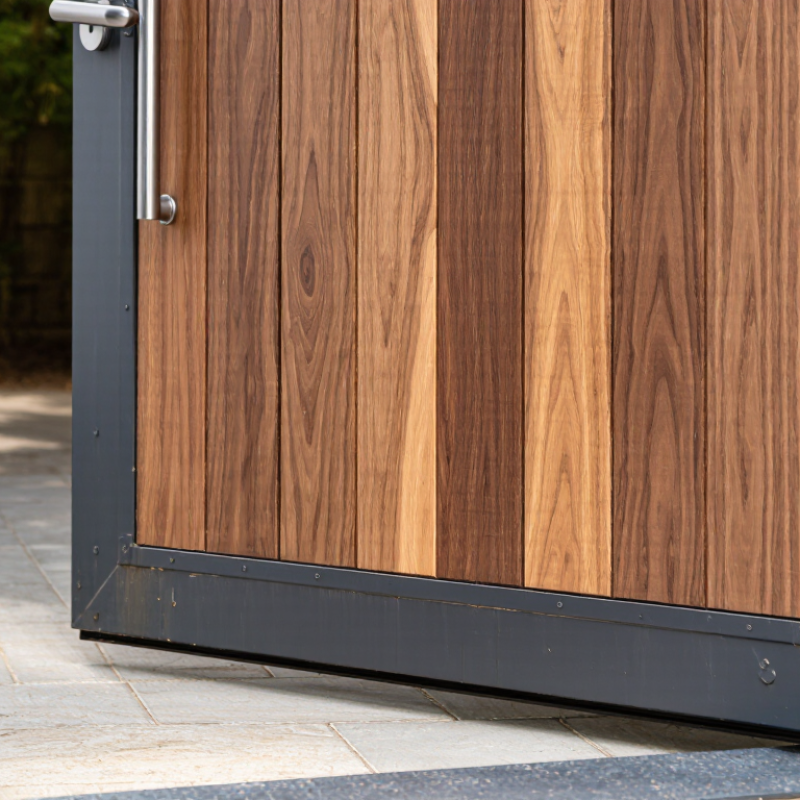
Top 10 Tips to Maintain a Steel Wood Armored Door Finish?

Understanding Steel Wood Armored Door Finishes and Their Protective Layers

Top 10 Tips to Maintain a Steel Wood Armored Door Finish

Understanding the finish matters. A steel wood armored door usually has several protective layers: steel, anti-corrosion primer, decorative coating, wood veneer, and clear sealant. Each layer performs differently. A scratched topcoat can expose the primer. Moisture may then reach the steel edge or wood grain. The NACE IMPACT study estimated global corrosion costs at approximately $2.5 trillion annually, equal to 3.4% of global GDP. Small maintenance actions remain practical. They also reduce avoidable deterioration.

Tips: Dust the surface weekly with a soft cloth. Wash it monthly using mild soap and clean water. Dry the lower edge immediately. Avoid abrasive pads, bleach, and solvent-based cleaners. Inspect corners, hinges, and threshold seals every quarter. Touch up exposed steel with a compatible coating system. Never sand through the primer casually. Keep sprinklers from wetting the door repeatedly. Control indoor humidity near the wood-facing side. Record cracks with dated photographs. These habits sound simple. They are often skipped.

Use a flashlight during inspection. Look for bubbling, dull patches, swollen veneer, or rust-colored streaks. A small blister may indicate hidden corrosion, not a cosmetic defect. ASTM steel-door guidance supports maintaining drainage, sealing, and hardware alignment, while coating professionals commonly recommend repairing damage before moisture spreads. I still miss a corner sometimes. That is why a written checklist helps. Maintenance records should include cleaning dates, products used, and repair observations. If the finish changes unevenly, consult a qualified door-finishing technician before applying another coat.

Cleaning the Door Surface Without Damaging Its Finish

Top 10 Tips to Maintain a Steel Wood Armored Door Finish

Cleaning the door surface starts with removing grit, not adding pressure. Fine sand can scratch clear coats and painted steel. Use a soft microfiber cloth or natural-bristle brush. Rinse it with clean water first. Never drag dry debris across the surface.

Mix a small amount of pH-neutral soap with lukewarm water. Apply it with a damp cloth, working from the top downward. Clean one section at a time, then rinse thoroughly. Dry the steel edges, hinges, and lower rail immediately. Standing water can reach seams and encourage corrosion. The NACE IMPACT study estimated global corrosion costs at 2.5 trillion dollars annually, equal to about 3.4% of global GDP. That figure makes small maintenance habits less trivial.

Tip: Avoid abrasive powders, solvent cleaners, steel wool, and high-pressure spray. Test any cleaner on a hidden corner first. Do not polish a textured wood-grain finish unless the coating manufacturer permits it. A glossy product may leave uneven patches. I once assumed a stronger cleaner meant a cleaner door; that approach can dull protective layers. Check the surface in angled daylight. Look for chalking, cloudy spots, swollen veneer, or tiny rust marks. ASTM D3359 explains coating-adhesion testing, but homeowners should not perform aggressive tape tests on a finished door. Photograph changes and arrange professional assessment when damage spreads. A little caution is cheaper than refinishing the entire panel.

Top 10 Tips to Maintain a Steel Wood Armored Door Finish? - Cleaning the Door Surface Without Damaging Its Finish

No. Maintenance Tip Recommended Practice Suggested Frequency Suitable Materials Avoid Reason
1 Remove loose dust first Gently wipe or dust the door from top to bottom before using moisture. Weekly or whenever visible dust appears Soft microfiber cloth or clean feather duster Dry scrubbing with rough towels Loose grit can scratch painted, powder-coated, or wood-grain surfaces.
2 Use a mild cleaning solution Mix a small amount of mild, pH-neutral soap with clean lukewarm water. Monthly or as needed pH-neutral soap, lukewarm water Strong acids, alkaline cleaners, solvents, and bleach Harsh chemicals may discolor, soften, or dull the protective finish.
3 Clean with a soft cloth Dampen the cloth rather than soaking it, then wipe in the direction of the surface pattern. During every wet cleaning Clean microfiber cloth or soft cotton cloth Steel wool, scouring pads, and abrasive sponges Abrasive fibers can create fine scratches and change the surface sheen.
4 Wipe spills promptly Blot and clean mud, salt, food, oil, or rainwater before they dry on the surface. Immediately after contamination Soft cloth, clean water, mild soap if required Leaving salt, grease, or acidic liquids on the door Dried contaminants are harder to remove and may promote staining or corrosion at damaged areas.
5 Rinse away soap residue Use a separate cloth dampened with clean water after washing. After every soapy cleaning Clean water and a fresh microfiber cloth Allowing detergent to dry on the finish Residue can leave streaks, attract dust, and create a dull appearance.
6 Dry the door completely Dry the surface, edges, lower rail, and joints with a clean absorbent cloth. After every wet cleaning or rain exposure Dry microfiber or soft lint-free cloth Leaving standing water in seams or at the bottom edge Trapped moisture can contribute to swelling of wood components and corrosion of exposed steel.
7 Test cleaners in a hidden area Apply the solution to an inconspicuous section and check for color, gloss, or texture changes. Before using any new product Small cloth and the intended cleaning solution Applying an untested product to the entire door Different coatings, stains, and sealers may react differently to chemicals.
8 Protect the finish from impact Inspect for chips and scratches, and avoid striking the door with tools, furniture, or sharp objects. Inspect every 3 months Soft bumpers, protective pads, compatible touch-up coating Ignoring exposed metal or deep coating damage A damaged coating can allow moisture to reach the steel substrate.
9 Keep drainage and thresholds clear Remove dirt and leaves from the sill, threshold, and drainage paths without scratching the finish. Monthly and after heavy weather Soft brush, vacuum with a brush attachment, damp cloth Blocking drainage openings or forcing debris into gaps Proper drainage reduces prolonged contact with water around the lower door area.
10 Maintain hardware separately Clean handles and hinges carefully, and use only a suitable lubricant on moving parts without spreading it onto the finish. Inspect monthly; lubricate according to hardware instructions Soft cloth and manufacturer-approved hardware lubricant Spraying lubricant broadly across the door surface Oil residue can attract dust and may stain or weaken some surface coatings.

Inspecting for Scratches, Rust, Moisture, and Coating Wear

Top 10 Tips to Maintain a Steel Wood Armored Door Finish

A durable finish still needs regular inspection. Examine the door monthly, especially after heavy rain or coastal weather. Use daylight and a soft flashlight to find shallow scratches. Check the lower edge, hinges, lock area, and threshold carefully. These places collect grit and moisture. Clean dust with a soft cloth and mild, pH-neutral cleaner. Avoid abrasive pads, strong solvents, and excessive water. Dry every surface afterward. Small details matter.

Look for orange specks, bubbling paint, dark seams, or rough patches. These may indicate early rust beneath worn coating. Do not ignore a tiny mark. Rust can spread under the finish before it becomes obvious. Photograph the area and record its size during each inspection. A clean, dry cotton swab can reveal moisture around joints and trim. If the swab feels damp, improve drainage and ventilation. Check whether rainwater touches the door repeatedly. It should not remain there.

Coating wear often appears as fading, chalky residue, or thin edges around handles. Test cleaning products on a hidden section first. I once trusted a “gentle” cleaner too quickly; it dulled a small area. That mistake changed my maintenance routine. Follow the coating manufacturer’s care guidance, and request professional assessment when rust returns or bare metal appears. Keep inspection notes, even when they look imperfect. Consistent records are more useful than memory. Never cover active rust with fresh paint. Surface preparation matters.

Applying Suitable Care Products and Touch-Up Treatments

A steel wood armored door needs care suited to both its protective structure and decorative surface. Dust can hold moisture against the finish, especially around hinges, panel seams, and the lower edge. In routine maintenance, I have found that a soft microfiber cloth and lukewarm water remove most surface dirt safely. Keep it gentle. Avoid abrasive pads, strong solvents, and chlorine-based cleaners, which may dull protective coatings.

Choose a pH-neutral cleaner made for coated metal or finished wood surfaces. Apply it to the cloth, not directly into locks, vents, or hardware gaps. Wipe in the direction of the wood grain, then dry the door completely. A small amount of compatible protective wax may help repel fingerprints and light moisture, but test it on a hidden area first. Too much product can leave a cloudy film.

Touch-up treatment requires patience and accurate color matching. Clean the damaged spot, remove loose flakes, and let the area dry before applying a thin repair layer. Use a fine artist’s brush for narrow scratches. Several light coats usually look better than one thick coat. I once underestimated how visible a slightly different gloss could become in afternoon sunlight. That mistake showed me why a sample test matters. Do not seal over bubbling, deep rust, or swollen wood without professional assessment. Photographing the damage can also help track whether the finish is improving or deteriorating.

Creating a Routine Maintenance Schedule for Long-Term Protection

A reliable maintenance schedule protects a steel wood armored door better than occasional deep cleaning. Check the surface every week, especially after rain, snow, or heavy humidity. Wipe away water, dust, and fingerprints with a soft microfiber cloth. Use clean water and a mild, pH-neutral cleaner. Avoid abrasive pads, strong solvents, and excessive pressure around the edges.

Inspect the door frame and bottom edge each month. Look for bubbling finish, small scratches, loose trim, or dark moisture marks. These details often appear before serious corrosion develops. Test the hinges and locking points without forcing them. A small amount of manufacturer-approved lubricant may reduce friction, but excess oil can attract grit. Examine the weather seal for cracks or flattening. Replace damaged seals promptly to limit drafts and water entry.

Every three months, clean the hinge side and threshold carefully. Dirt can collect there like fine sandpaper. In spring and autumn, check drainage near the doorway and confirm that sprinklers do not spray the door directly. Once a year, photograph the finish in daylight and compare it with earlier images. This creates a useful maintenance record for professionals. I once delayed treating a tiny edge scratch, assuming it was harmless. It later required more preparation than expected. That mistake changed my routine: I now inspect vulnerable edges after every major weather event. Allow the surface to dry fully before applying any protective product. Test unfamiliar cleaners on a hidden area first.

FAQS

How often should a steel wood armored door be inspected?

Check the surface weekly after rain, snow, or high humidity. Inspect it monthly in daylight. Weather changes matter.

Which areas need the closest inspection?

Examine the lower edge, hinges, lock area, frame, and threshold. These areas collect grit and moisture. Look closely there.

What early signs may indicate rust?

Watch for orange specks, bubbling paint, dark seams, and rough patches. Rust may spread underneath the coating before becoming obvious.

How should the door surface be cleaned?

Use a soft microfiber cloth, clean water, and mild pH-neutral cleaner. Avoid abrasive pads, strong solvents, and heavy pressure.

How can moisture around joints be detected?

Press a clean, dry cotton swab around joints and trim. If it feels damp, improve drainage and ventilation. Do not leave water standing.

What should be done when coating wear appears?

Look for fading, chalky residue, or thin edges near handles. Test unfamiliar cleaners on a hidden section first. I once skipped this step.

How should scratches and rust spots be documented?

Photograph each area in daylight and record its size. Compare images over time. My notes are not perfect, but they prevent guesswork.

When should professional help be requested?

Request an assessment when rust returns, bare metal appears, or bubbling spreads. Never cover active rust with fresh paint. Preparation matters.

Conclusion

Maintaining a steel wood armored door finish requires regular care and attention to its protective layers. How to maintain the finish on a steel wood armored door? Start by learning whether the surface includes paint, powder coating, wood veneer, or a protective sealant, since each layer may react differently to cleaning products. Remove dust and dirt with a soft cloth or sponge, mild soap, and clean water, avoiding abrasive tools, harsh chemicals, and excessive moisture. Dry the surface thoroughly, especially around edges, hinges, locks, and seams.

Inspect the door regularly for scratches, rust spots, moisture damage, peeling, or fading. Address small imperfections promptly with compatible touch-up products and follow the product instructions carefully. Avoid covering active rust or damaged areas without proper preparation. Create a maintenance schedule that includes monthly cleaning, seasonal inspections, and immediate attention after severe weather. Consistent care helps preserve the door’s appearance, prevent coating deterioration, and extend the service life of both its steel structure and wood-finished elements.

Madeline

Madeline

Madeline is a dedicated marketing professional with a wealth of expertise in our company's core offerings. With a keen understanding of the industry, she brings a unique perspective to her role, consistently delivering high-quality content that highlights the superior aspects of our products. As......