How to Understand Why Armored Doors Cost More Than Steel Doors?

Time:2026-05-28 Author:Liam
0%

When considering home security, many ask, "Why are armored doors more expensive than standard steel doors?" This inquiry reflects the growing concern for safety. Armored doors provide enhanced protection through advanced materials and designs. They often include multiple layers, making them resistant to various forms of forced entry.

The manufacturing process of armored doors is intricate. Skilled artisans use specialized techniques. This adds to the cost, reflecting their quality. Customers may question whether the investment is worth it. Evaluating the long-term benefits is crucial.

Durability and performance are key factors. While standard steel doors offer basic protection, armored doors excel in security. This disparity in effectiveness justifies the higher price. It's essential to weigh immediate costs against potential risks. The value of peace of mind cannot be overlooked.
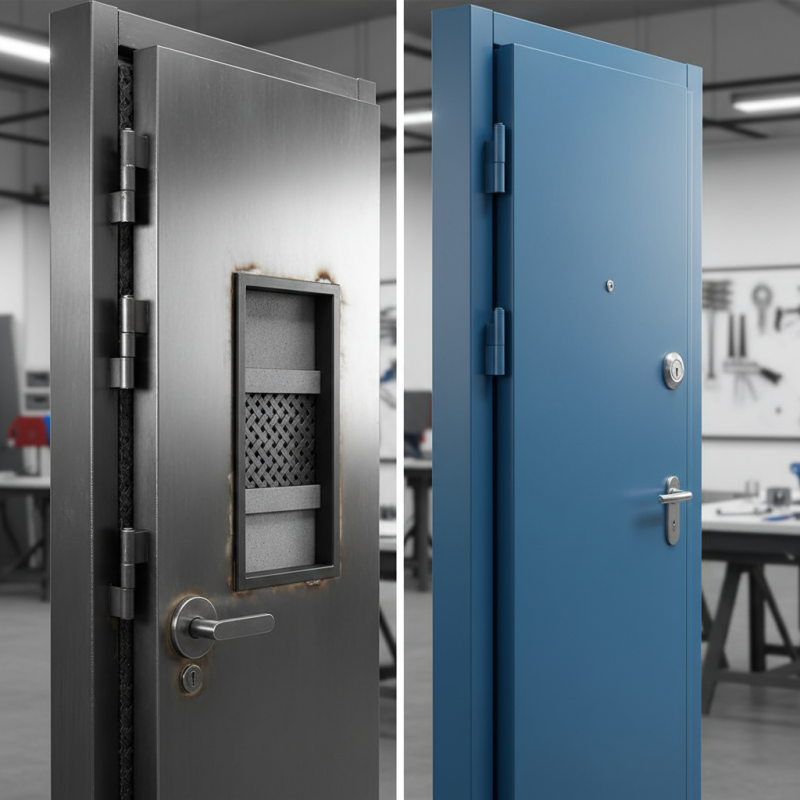
How to Understand Why Armored Doors Cost More Than Steel Doors?

Factors Influencing the Cost of Armored Doors Compared to Steel Doors

When comparing armored doors to steel doors, several key factors influence the cost. Armored doors are designed to provide high-security features. They are often constructed from layers of different materials. This layered design enhances strength and resistance to forced entry. A steel door, while strong, may lack the intricate security measures found in armored doors.

The first factor is material quality. Armored doors typically use advanced alloy steel, which is more expensive than standard steel. This results in a longer lifespan and improved durability. Additionally, fortified hinges, locks, and frames add to the overall cost. These elements are essential for maximizing security.

Another consideration is installation. Armored doors require specialized expertise for proper fitting and alignment. This expertise can increase labor costs. Homeowners may also need to invest in additional reinforcement for their doorframes. While the initial expense may be higher, the long-term benefits often outweigh these costs. Balancing budget and security needs becomes a critical decision for homeowners.

Material Composition: Understanding the Differences in Protection Levels

When considering the differences between armored doors and steel doors, material composition is key. Armored doors often incorporate multiple layers of protection. Their core typically includes a combination of high-density steel, reinforced composites, and sometimes ballistic-grade materials. Each layer contributes to enhanced security against forced entry, impact, and ballistic threats. This multi-layer design significantly raises the cost compared to standard steel doors.

Steel doors, while sturdy, primarily use thick steel plates. This simple design lacks the added barriers that armored doors offer. While steel doors provide basic protection, they may not stand up against more sophisticated threats. The gap in pricing reflects the investment in advanced materials and technology found in armored doors.

However, costs can vary widely in both categories. Some armored doors use lower-grade materials that may not justify their price. Buyers must assess the specifications carefully and ensure they’re not overpaying for mere branding. Evaluating the actual protection levels is essential for making an informed choice.

Manufacturing Processes: Complexity and Cost Implications of Armored Doors

Armored doors offer enhanced security compared to standard steel doors. The manufacturing process for armored doors involves intricate steps that significantly influence their cost. The added layers of protection require specialized materials. This complexity leads to higher production costs.

During fabrication, armored doors are often subjected to rigorous testing. These tests ensure they can withstand forced entry. Such testing is not typically required for standard steel doors, which can be assembled quickly and efficiently. The careful selection of components for armored doors adds to their expense. Each material must meet specific safety standards.

Moreover, the craftsmanship involved in creating armored doors is a crucial aspect. Skilled workers are needed to assemble and install these doors properly. The labor cost is higher, reflecting the specialized knowledge required. Consumers should be aware that the price difference stems from these manufacturing intricacies. Understanding these factors can help in making informed decisions when prioritizing security.

Certification Standards: How Compliance Adds Value to Armored Doors

When considering armored doors, understanding certification standards is essential. These standards dictate the performance and durability of the doors. Compliance with such standards ensures that the doors meet high-security requirements. This compliance adds significant value, enhancing the door’s effectiveness against forced entry or damage.

Tips: Always check for certifications. Look for doors that comply with recognized industry standards. This can indicate a higher level of protection. Additionally, consider the materials used in the door's construction. Not all steel is created equal; thicker, high-grade steel can offer better security.

Armored doors undergo rigorous testing. They are designed to resist not only intrusion but also fire and environmental hazards. This level of scrutiny is rare in standard steel doors, which may not meet the same stringent criteria. Evaluating this difference can shift your perspective on costs, showing that safety features often come at a higher price.

Tips: Seek professional guidance. Consult experts to assess your security needs. They can help identify the right level of door for your situation. Reflect on your unique requirements. A cheap door may seem appealing but could leave your property vulnerable.

Market Demand and Security Trends Affecting Pricing in the Door Industry

Market demand significantly influences the pricing of armored doors compared to traditional steel doors. According to a report by the Door & Hardware Federation, the demand for enhanced security solutions has soared by 40% in recent years. This increased need stems from rising concerns over burglaries and property crimes, which have been reported to spike by 20% nationally. Homeowners and businesses are investing more in security, resulting in higher prices for specialized door systems.

Additionally, security trends play a pivotal role in this pricing structure. A study by the American Institute of Architects revealed that 65% of architects believe that security measures will dominate design decisions in the coming years. Armored doors offer features like reinforced frames and specialized locking mechanisms. These enhancements add significant value, often justifying their higher costs. However, some consumers might not fully understand the benefits, leading to questions about pricing disparities in the door market.

Despite the clear advantages of armored doors, the price gap can leave potential buyers perplexed. Many might wonder if the added security is worth the investment. Acknowledging this uncertainty is crucial. As demand grows, the industry must balance cost and innovation while educating consumers on the importance of security.

FAQS

: What makes armored doors more expensive than steel doors?

: Armored doors use advanced materials and multi-layer designs, enhancing strength and security, resulting in higher costs.

How does installation affect the overall cost of armored doors?

Specialized installation is required for armored doors, which increases labor costs and may necessitate extra doorframe reinforcements.

What types of materials are used in armored doors?

Armored doors usually combine high-density steel with reinforced composites and ballistic-grade materials for enhanced protection.

Are all armored doors equally secure?

No, some may use lower-grade materials that don't justify their price. Buyers should evaluate specifications and protection levels.

Why are certification standards important for armored doors?

Certification ensures that doors meet high-security performance and durability requirements, adding value and effective protection.

How do operational hazards affect selected doors?

Armored doors are tested against fire and environment, offering better safety features than standard steel doors which may lack this scrutiny.

Conclusion

When considering the question, "Why are armored doors more expensive than standard steel doors?", several key factors contribute to the difference in pricing. Armored doors are constructed with advanced materials designed to offer superior protection. Their material composition often includes reinforced layers and ballistic-grade features that significantly enhance security levels compared to standard steel doors.

Additionally, the manufacturing processes for armored doors are typically more complex, requiring specialized techniques and skilled labor, which adds to the overall cost. Compliance with stringent certification standards further increases their value, as consumers seek assurance of quality and effectiveness in protecting against threats. Lastly, market demand and evolving security trends continue to influence the pricing dynamics within the door industry, driving up the costs of more robust security solutions like armored doors.

Liam

Liam

Liam is a dedicated marketing professional with a profound expertise in the industry, where he excels at highlighting the unique advantages of our core products. With a keen understanding of market trends and consumer needs, Liam frequently updates our company’s professional blog, providing......