Why Does My Wooden Door Swell in Humid Weather?

Time:2026-09-01 Author:Isabella
0%

Understanding why wooden doors swell in humid weather is crucial for homeowners. As the weather becomes more humid, the moisture in the air increases. This leads to the absorption of water by wood. According to a report by the Wood Products Council, wood can absorb as much as 30% of its weight in moisture from humid conditions. This results in swelling, which affects the door's fit and functionality.

Industry expert, Dr. Sarah Jensen, emphasizes the impact of humidity on wood, stating, "Wood is a living material. It responds to its environment." Her insights highlight the fact that wood expands in moist conditions and contracts in dry ones. This cycle can lead to problems like difficulty in closing doors properly or gaps forming.

It is critical to recognize this issue. Homeowners may need to adjust their maintenance routines. Ignoring the effects of humidity could lead to more significant damage over time. Understanding "Why is my wooden door swelling in humid weather?" can help mitigate these issues. Proper care and proactive measures can ensure longer-lasting wooden doors.
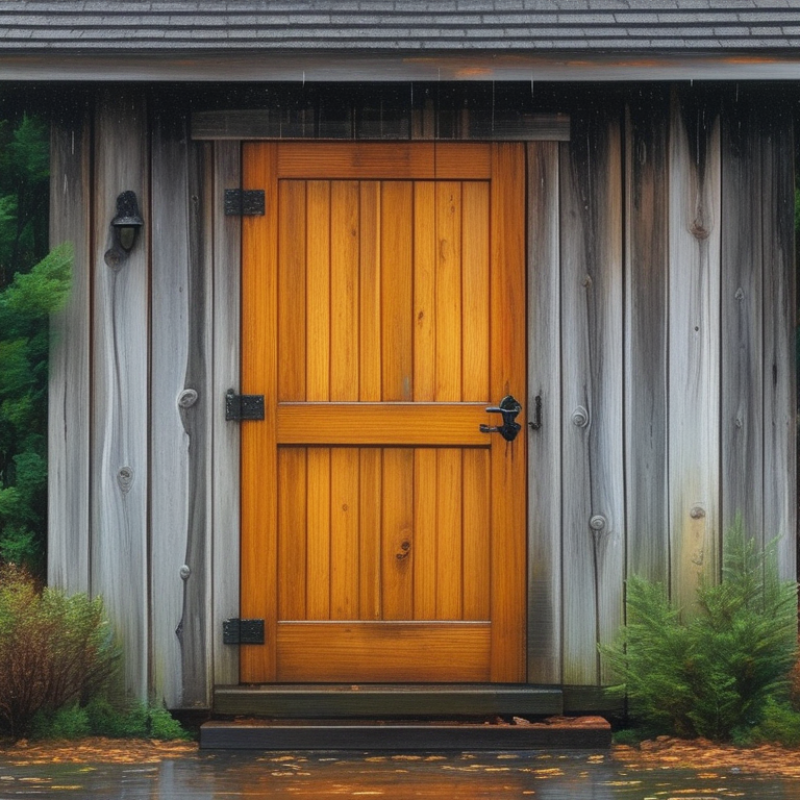
Why Does My Wooden Door Swell in Humid Weather?

Understanding Wood Properties in Humidity

Wood is a natural material that responds to environmental changes. In humid weather, the moisture in the air is absorbed by the wood fibers. This causes the wood to swell. The increase in volume can create problems for wooden doors. They may stick or become difficult to open. Understanding this process is essential for homeowners.

The swelling occurs due to the hygroscopic nature of wood. It absorbs and releases moisture based on the surrounding humidity levels. Different types of wood react differently. Some are more resilient, while others may warp more easily. Regular maintenance, like sealing and varnishing, can reduce this issue. However, no method is foolproof. The wood's natural characteristics can still lead to unexpected problems.

It's essential to monitor your doors regularly. Look for signs of swelling or sticking. Humidity can fluctuate throughout the year. Awareness is key to preventing long-term damage. Keep in mind that wood can sometimes be unpredictable. Being proactive can save you from costly repairs later.

How Moisture Affects Wooden Doors

Wooden doors are beautiful and classic. However, they can swell in humid weather. This happens when the wood absorbs moisture from the air. As the wood expands, it can become difficult to open or close. In extreme cases, it may even cause damage to the doorframe.

Humidity affects wood's structure. It can lead to warping or cracking. When the air is moist, the fibers in the wood swell. This can be quite frustrating for homeowners. A door that doesn’t fit well can hinder both security and insulation. It's essential to monitor indoor humidity levels. A dehumidifier can help control moisture, keeping your wooden door in better condition.

Regular maintenance is key. Sealing the wood can protect it from moisture ingress. Applying a protective finish can prevent swelling. Yet, even with precautions, natural wood will react to its environment. Understanding this can lead to more thoughtful care of your wooden doors. Next time you notice your door sticking, consider the humidity. It may be the culprit behind the problem.

Why Does My Wooden Door Swell in Humid Weather? - How Moisture Affects Wooden Doors

Dimension Effects Preventive Measures
Humidity Levels Increased moisture absorption in wood. Use a dehumidifier in humid conditions.
Temperature Variations Expansion of wood fibers occurs. Maintain consistent indoor temperatures.
Wood Type Certain woods swell more than others. Choose appropriate types of wood for doors.
Sealants Poor sealing leads to moisture entry. Regularly apply wood sealants.
Installation Quality Improper installation can exacerbate swelling. Ensure proper installation by professionals.

Signs of Swelling in Wooden Doors

High humidity can lead to noticeable changes in wooden doors. Signs of swelling often include difficulty in opening or closing the door smoothly. You might hear creaking noises as the wood expands. These sounds are indicators that humidity is affecting your door.

Another sign is visible gaps or misalignment. The door may no longer fit snugly in the frame. You might notice cracks in the finish, which can worsen over time. If you spot these issues, taking prompt action can prevent further damage.

Humidity can be a real challenge for wooden doors. Maintaining a consistent indoor environment is key. Air conditioning or dehumidifiers can help. However, if swelling occurs, consider consulting with a professional. They can assess the damage and recommend the best course of action. Understanding these signs can help you better care for your wooden doors.

Prevention Methods for Door Swelling

Wooden doors can swell due to high humidity. This phenomenon is common in many homes. When the air is moist, wood absorbs water and expands. This results in difficulty opening or closing doors. To prevent this issue, there are several practical strategies to consider.

Applying a protective sealant is essential. This creates a barrier that reduces moisture absorption. Spend some time ensuring that all surfaces are covered. Regular maintenance can also make a significant difference. Check for cracks or gaps and fill them in promptly. Keeping the door dry and clean is important. Wipe it down during humid days to reduce moisture.

Another effective method is managing indoor humidity. Using a dehumidifier can help regulate moisture levels. Aim for a balanced environment in your home. Proper ventilation is also crucial. Open windows occasionally to let fresh air circulate. Monitoring these factors can greatly reduce the chances of door swelling.

Wooden Door Swelling in Humid Weather

This chart illustrates the swelling of wooden doors at different humidity levels. As humidity increases, the swelling of the door also increases, which can impact its functionality and fit within the door frame.

Repair Solutions for Swollen Wooden Doors

Swollen wooden doors can be a nuisance, especially during humid weather. When humidity levels rise, wood absorbs moisture, causing it to expand. According to the Wood Industry Report, this phenomenon can lead to a 2-5% increase in wood dimensions. This swelling often results in doors sticking, making them difficult to open or close.

To address this issue, proper adjustments and repairs are essential. Start by checking the door hinges; they may need lubrication or tightening. Additionally, sanding the edges of the door can ease the sticking without compromising its integrity. A dehumidifier in the home can also help maintain optimal humidity levels, ideally between 30-50%. This range minimizes swelling and prolongs the door's lifespan.

If significant swelling occurs, consider applying a sealant or wood treatment specifically designed for moisture resistance. Such products can effectively reduce absorption, a crucial step in preventing future issues. However, be mindful. Even the best sealants can wear over time, requiring reapplication. Regular maintenance is necessary to ensure doors remain functional and visually appealing.

FAQS

: How does humidity affect wooden doors?

: Humidity can cause wooden doors to swell. This makes them difficult to open or close.

What happens when wood absorbs moisture?

The wood fibers swell, leading to warping or cracking. This may frustrate homeowners significantly.

What can I do to prevent my wooden door from swelling?

Regularly seal and apply protective finishes. This helps protect the wood from moisture damage.

How can I adjust a swollen wooden door?

Check hinges for lubrication, tighten them if needed, and sand the door edges gently.

What humidity levels are ideal for wooden doors?

Maintain indoor humidity between 30-50%. This range minimizes swelling and prolongs the door's lifespan.

What should I do if significant swelling occurs?

Consider applying a sealant or moisture-resistant treatment. Reapplication is needed over time.

Why is regular maintenance important for wooden doors?

Regular upkeep prevents swelling and maintains functionality. Natural wood reacts to its environment.

Can a dehumidifier help with wooden doors?

Yes, it controls indoor moisture levels, keeping doors in better condition and minimizing damage.

What should I consider if my door is sticking?

Humidity might be the culprit. Assessing moisture levels can guide necessary adjustments and repairs.

Are sealants always effective?

Even quality sealants can wear over time. Regular checks and reapplications are required for best results.

Conclusion

Wooden doors are susceptible to swelling, especially in humid weather, leading many homeowners to wonder, "Why is my wooden door swelling in humid weather?" This phenomenon occurs due to the natural properties of wood, which absorbs moisture from the air. As humidity levels rise, the wood expands, resulting in a tight fit within its frame.

Signs of swelling include difficulty in opening or closing the door, visible gaps, or warping. To prevent swelling, regular maintenance such as sealing and controlling indoor humidity with dehumidifiers can be effective. If swelling occurs, options for repair include sanding down the affected areas or applying heat to help restore the door to its original shape. Understanding these factors can help maintain the integrity and functionality of wooden doors in varying weather conditions.

Isabella

Isabella

Isabella is a dedicated marketing professional with a sharp focus on driving brand growth and engagement through strategic content creation. With an extensive background in digital marketing, she combines her passion for storytelling with her keen understanding of industry trends to deliver......