Have you ever wondered, "Why is my wooden door swelling in humid weather?" This common issue affects many homeowners. Humidity can lead to noticeable changes in wooden doors, causing them to warp or expand. The wood absorbs excess moisture from the air, altering its shape. This can result in difficulties when trying to open or close the door.
Understanding this phenomenon involves recognizing the nature of wood. Wood is a natural material, and it reacts to its environment. When humidity levels rise, the wood fibers absorb water. This swelling can compromise the door's stability. It may also affect its aesthetics. Homeowners might notice gaps or misalignments as a result.
Many factors contribute to this issue, such as the type of wood, the quality of craftsmanship, and local climate conditions. Reflecting on the environment where the door is installed can help mitigate the problem. Consider using weatherstripping or adjusting humidity levels indoors. A proactive approach can extend the life of your wooden door and maintain its functionality.
Understanding Wood Expansion: The Basics of Humidity Impact
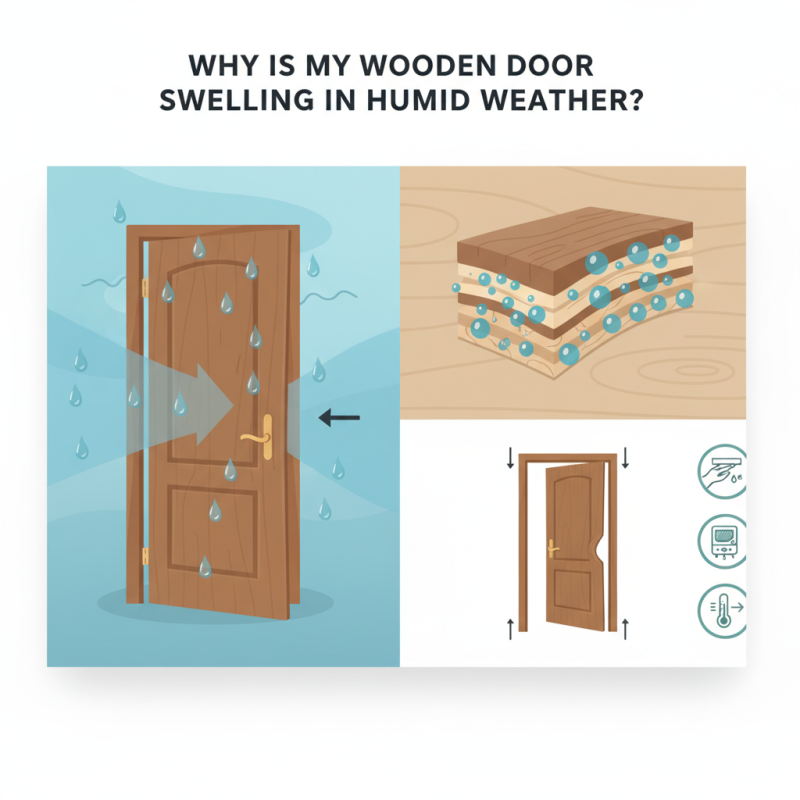
Wood is a natural material, and it reacts to changes in humidity. When the air is humid, wooden doors tend to absorb moisture. This absorption causes the wood to expand, resulting in your door swelling. As a result, you may notice your door harder to open or close. It can also create gaps in frames.
Understanding wood expansion helps address this issue. Different types of wood react variably to humidity. Softwoods might swell more than hardwoods. Also, the finish on the wood can influence how much moisture it absorbs. You may need to check the seal on your door. If it wears out, the wood becomes more vulnerable.
Regular maintenance is essential. Applying protective coatings can help minimize the impact of humidity. However, there’s no perfect solution. Swelling can still happen despite your best efforts. Observing these changes can lead to better care for your wooden doors. This awareness allows for adjustments and prolongs their lifespan. Make sure to monitor the conditions in your home, especially during humid months.
The Science Behind Wood and Moisture Interaction
Wood naturally interacts with moisture in the air, causing it to swell in humid conditions. This happens because wood fibers absorb water molecules. According to the Forest Products Laboratory, dimensional changes in wood can reach up to 12% in extreme humidity shifts. This expansion is uneven since wood grain and cut type affect moisture absorption rates.
The cell structure of wood acts like a sponge, pulling in moisture from the surrounding environment. When humidity rises above 60%, many hardwoods start to expand noticeably. This swelling can make doors difficult to open or close properly. However, the degree of swelling varies. For example, pine doors tend to expand more than oak ones due to their porous nature.
Despite many attempts to seal wooden doors, perfect moisture resistance is challenging. Sealants only slow moisture ingress but cannot fully prevent it. This means small fluctuations will always impact wood to some extent. Homeowners often overlook this natural phenomenon until swelling causes functional problems. This highlights the importance of managing indoor humidity to protect wooden fixtures.
Wood Swelling in Humid Weather
The chart above illustrates the swelling rate of wood at different humidity levels. As humidity increases, the wood's swelling rate also increases, which can impact structural integrity in humid conditions.
Signs of Swelling in Wooden Doors During Humid Weather
In humid weather, wooden doors often exhibit noticeable swelling due to moisture absorption. This phenomenon occurs when wood fibers absorb water, causing the door to expand. Signs include difficulty in opening or closing, visible gaps, and cracks near hinges. According to the Wood Products Council, wood can swell by 6-10% in high humidity. Such changes not only affect functionality but also the aesthetics of your home.
If you notice swelling, there are practical steps to mitigate the issue. First, ensure proper ventilation in the area. Excess humidity can be minimized with dehumidifiers. Regularly applying a protective finish can seal the wood and reduce moisture absorption. A seasoned carpenter might advise checking the seals around the door, as gaps can allow humid air to penetrate.
Monitoring humidity levels is crucial. Ideally, indoor humidity should stay between 30% and 50%. Use a hygrometer to keep track. If your door continues to swell, it may indicate a need for adjustments or replacement. Recognizing these signs early can help you maintain the integrity of your home’s entryways.
Preventive Measures to Minimize Door Swelling
Wooden doors can be beautiful and sturdy, but they often struggle in humid conditions. To prevent your wooden door from swelling, consider applying a protective finish. A quality sealant can help repel moisture and keep the wood stable. Regular maintenance, like reapplying the sealant every few years, is key to maintaining its effectiveness.
Another useful tip is to ensure proper ventilation in areas where the door is installed. Keeping doors and windows open allows excess humidity to escape. Additionally, using a dehumidifier may also help control moisture levels. You might think about the importance of routine checks. Even small cracks can allow moisture to seep in. Watch for any signs of damage regularly. Small efforts can prevent much larger problems.
Don’t forget about the door frame too. Properly fitted frames minimize the risk of door swelling. If the frame is too tight, it may cause further complications. It’s worth reflecting on your installation techniques. Sometimes, the alignment might need adjusting. Embracing these preventive measures can lead to longer-lasting doors and a more comfortable home.
Treatment Options for Swollen Wooden Doors in Humidity
Wooden doors can swell in humid weather due to moisture absorption. This phenomenon is not uncommon, and many homeowners face this issue. When humidity levels rise, wood fibers expand, causing doors to warp or stick. According to industry reports, a relative humidity level above 60% is often enough to trigger swelling in wooden structures.
To treat swollen doors, the first step is to assess the situation. Reduce indoor humidity using dehumidifiers. Regularly ventilate your home to maintain optimal moisture levels. Sand down the edges of the door to enhance clearance. Apply a protective finish like paint or varnish, which can help seal the wood and prevent moisture ingress.
Tip: Ensure your doorframe is square. An uneven frame can exacerbate swelling issues.
Additionally, monitor your door's condition regularly. Inspect for cracks and gaps that may allow moisture to penetrate. Consistent maintenance can extend your door's life.
Tip: Use a wood conditioner to keep the door hydrated, preventing it from absorbing excess moisture.
FAQS
: Wooden doors swell because they absorb moisture in high humidity. This absorption causes the wood fibers to expand.
A relative humidity level above 60% is often enough to trigger swelling in wooden structures like doors.
You can reduce indoor humidity by using dehumidifiers and ensuring regular ventilation in your home.
Assess the door, sand down the edges for clearance, and apply a protective finish to minimize moisture absorption.
Regular maintenance, applying protective coatings, and using a wood conditioner can help prevent excessive moisture absorption.
Yes, ensure your doorframe is square. An uneven frame can make swelling issues worse.
Regularly inspect your door for cracks and gaps that may allow moisture to enter.
There is no perfect solution; swelling can still happen despite preventive measures and best efforts.
Yes, different types of wood respond differently. Softwoods may swell more than hardwoods in humid conditions.
Neglecting care can lead to more severe issues, including warping, sticking, or even permanent damage over time.
Conclusion
In response to the question "Why is my wooden door swelling in humid weather?", it is important to understand the fundamentals of wood's interaction with humidity. Wood is a naturally hygroscopic material, meaning it can absorb moisture from the air. When humidity levels rise, the wood fibers expand, leading to noticeable swelling in wooden doors. This swelling can manifest as difficulty in opening or closing the door and visible warping.
To mitigate these issues, homeowners can implement preventive measures, such as maintaining stable indoor humidity levels and ensuring proper sealing of the door with finishes that repel moisture. If swelling does occur, treatment options may include sanding down the affected areas or applying moisture-absorbing materials. Understanding these dynamics can help manage and minimize the impact of humidity on wooden doors, ensuring their longevity and functionality.

 ScotiaFire Doors