How to Determine if WPC Doors Are Cost Effective Compared to Timber?

Time:2026-05-31 Author:Mason
0%

As the construction industry evolves, the choice between materials becomes crucial. Homeowners and builders often ask, "Are WPC doors a cost-effective alternative to timber?" Wood-plastic composite (WPC) doors are gaining traction for their durability and low maintenance. Research indicates that WPC doors can outperform traditional timber in lifespan and resistance to weather damage. However, initial costs may still deter some buyers.

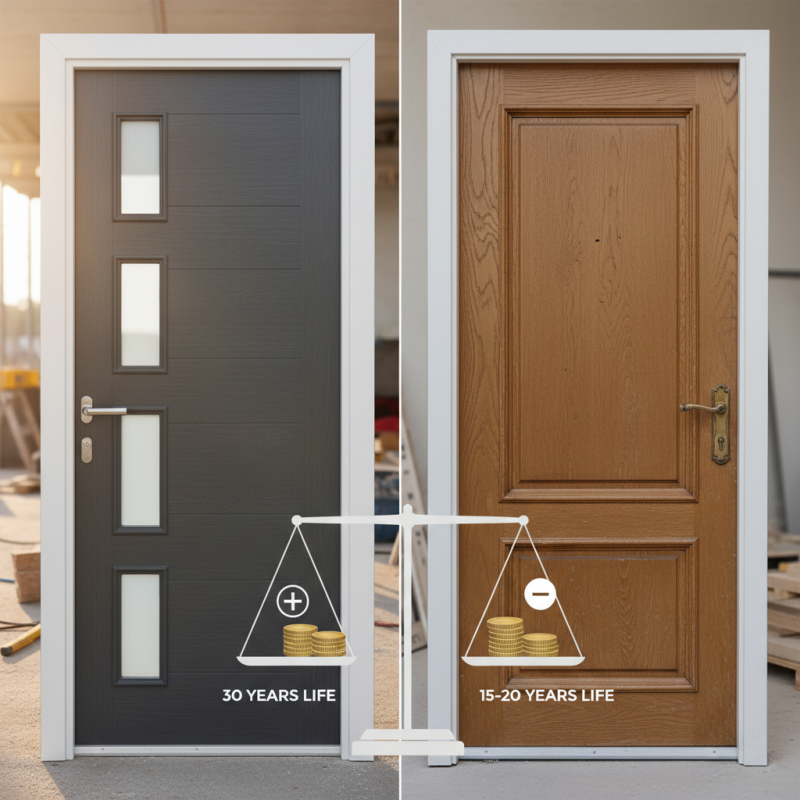
Industry reports suggest that WPC doors can last up to 30 years with proper care, compared to timber's average lifespan of 15-20 years. This durability can translate into long-term savings. Yet, the upfront investment for WPC is typically higher. Some sources claim WPC doors have a 10-20% higher price point than standard timber doors. Homeowners need to weigh these factors when considering value.

While WPC doors offer appealing benefits, they may not be suitable for every project. Regional climate, aesthetic preferences, and specific application contexts are essential considerations. Therefore, further research and consultation with professionals can help clarify if WPC doors truly represent a cost-effective choice compared to timber in your situation.
How to Determine if WPC Doors Are Cost Effective Compared to Timber?

Understanding WPC Doors: Definition and Composition

WPC doors, or wood-plastic composite doors, offer a modern alternative to traditional timber. They are made from a mixture of wood fibers and recycled plastic, providing durability and resilience against various weather conditions. The combination of these materials creates a door that resists warping, rotting, and insects, making it a practical choice for many homeowners.

The composition of WPC doors allows for versatile design options. They can mimic the look of real wood while maintaining structural integrity. According to a recent industry report, WPC materials have shown up to a 50% increase in lifespan compared to standard wood. This statistic highlights their long-term value. Homeowners can expect lower maintenance costs and fewer replacements over time, which can significantly impact overall expenses.

Tips: When considering WPC doors, check certifications and environmental impact reports. Some people find the initial cost concerning. However, evaluate the lifetime savings and reduced maintenance. Research thoroughly to understand local standards for door materials. A well-informed choice maximizes your investment and ensures longevity.

Cost Analysis: Comparing WPC Doors and Traditional Timber

When comparing WPC (Wood Plastic Composite) doors to traditional timber, cost analysis reveals several important factors. WPC doors are often seen as a more economical option. According to a report by the Building Research Establishment, WPC materials can be up to 30% cheaper in long-term lifecycle costs due to their low maintenance needs. Timber doors, while aesthetically pleasing, require regular upkeep and treatment that adds to their overall expense.

Investing in WPC can yield additional financial benefits. Research from the American Institute of Architects highlights that WPC doors can retain value longer than timber equivalents. This is particularly relevant in moisture-prone areas where timber can warp or rot. Homeowners can save significantly by selecting WPC, considering both the initial purchase price and future maintenance expenses.

Tips: Always check the warranty and lifespan of doors. WPC generally lasts longer with less wear. Consider aesthetic requirements; while WPC offers varied designs, timber has a classic appeal. Take time to evaluate your needs before making a final decision. Quality of materials greatly influences durability and cost-effectiveness.

Cost Analysis: Comparing WPC Doors and Traditional Timber

Parameter WPC Doors Traditional Timber
Initial Cost (per door) $150 $200
Lifespan (years) 25 15
Maintenance Cost (per year) $20 $50
Resistance to Weather High Moderate
Eco-Friendliness Recycled materials Sustainably sourced
Aesthetic Variety Medium High
Total Cost over 25 years $650 $875

Durability and Maintenance: WPC vs Timber Performance

When comparing WPC doors to traditional timber, durability and maintenance play crucial roles. WPC, or Wood-Plastic Composite, combines wood fibers with plastic, aiming for enhanced resilience. It is highly resistant to moisture and doesn’t warp as easily as timber. This makes WPC a potential long-term option, especially in humid climates.

On the flip side, timber offers natural beauty and classic appeal. However, it demands regular maintenance, such as painting or sealing, to combat decay. Over time, these maintenance costs can add up. WPC requires less upkeep. It’s important to note that while WPC can fade in direct sunlight, its overall durability often offsets this drawback.

Choosing between WPC and timber involves weighing these factors. Consider your environment. Do you want a stunning natural look? Timber may suit you. Prefer lower maintenance? WPC could be your choice. Each material offers unique benefits. Reflect on your specific needs before deciding.

Aesthetic Appeal: Design Options for WPC and Timber Doors

When considering aesthetic appeal, WPC (Wood-Plastic Composite) and timber doors offer distinct advantages. WPC doors provide a modern, sleek look. They come in various colors and finishes, allowing for unique designs that can match contemporary interiors. Timber doors, on the other hand, exude traditional charm. Natural variations in wood grain lend a warm, inviting feel, perfect for classic homes.

Tips: When choosing a door, consider your home’s architectural style. A modern home may benefit from the clean lines of WPC doors. Meanwhile, traditional homes often shine with the beautiful textures of timber.

Additionally, environmental impact plays a role in aesthetics. WPC, made from recycled materials, reflects sustainable choices. However, the look may not appeal to everyone. Timber's natural beauty is hard to replicate, despite the potential for warping and maintenance issues. It’s essential to weigh these factors carefully in your decision-making process.

Always remember to visualize how each option blends with your space. Sometimes, a visual design mock-up can help clarify your choice. Balancing aesthetics with practicality may lead to some difficult decisions.

Cost Effectiveness of WPC vs Timber Doors

This bar chart represents the cost comparison between WPC doors and timber doors. WPC doors are found to be significantly more cost-effective, costing only $150 compared to $300 for timber doors, making them an appealing option for budget-conscious consumers.

Environmental Impact: Sustainability of WPC vs Timber Materials

When assessing the environmental impact of WPC (Wood Plastic Composite) doors versus timber, several factors come into play. WPC is often praised for its eco-friendly aspects. A study by the Forest Stewardship Council states that sustainable timber can be beneficial. However, the process of harvesting wood affects ecosystems and biodiversity. WPC, crafted from recycled plastics and wood fibers, can reduce plastic waste. Data indicates that using recycled materials lowers the carbon footprint significantly.

WPC doors have a lifespan of 20 years or more, which lessens the need for replacements. Timber, while beautiful, requires regular maintenance and may need to be replaced sooner. This ongoing maintenance often involves chemical treatments that can harm the environment. A report from the American Society for Testing and Materials noted that timber harvesting can lead to deforestation. Considering these factors, WPC doors have an edge in sustainability.

Tips for choosing materials wisely: Look for certifications that indicate sustainability. While WPC offers recyclability, seek products made from post-consumer materials. Also, evaluate the transportation emissions associated with timber sourcing. Every choice counts in reducing our environmental impact. Understand the long-term implications of your material choices for a more sustainable future.

FAQS

: What are WPC doors made of?

: WPC doors are made from a mix of wood fibers and recycled plastic.

How durable are WPC doors compared to timber?

WPC doors resist warping and rotting, offering better durability in various weather conditions.

Do WPC doors need much maintenance?

WPC doors require less maintenance than timber, saving homeowners time and money.

Can WPC doors resemble traditional timber?

Yes, WPC doors can mimic the look of real wood while maintaining their structural integrity.

What should I consider when choosing WPC doors?

Check certifications, environmental impacts, and evaluate long-term savings against initial costs.

Are WPC doors more cost-effective in the long run?

Yes, they can be up to 30% cheaper in long-term lifecycle costs compared to timber.

How do WPC doors perform in humid climates?

WPC doors are highly resistant to moisture, making them suitable for humid areas.

What are some drawbacks of WPC doors?

WPC may fade in direct sunlight over time, though this is generally a manageable downside.

Is the aesthetic of WPC doors appealing?

WPC offers varied designs, but some may prefer the classic look of timber.

How important is the quality of materials in WPC doors?

Material quality greatly influences durability and cost-effectiveness, so choose wisely.

Conclusion

The article explores whether WPC doors are a cost-effective alternative to timber by examining several key factors. It begins with an understanding of WPC (Wood Plastic Composite) doors, detailing their composition and benefits. A comprehensive cost analysis compares the initial investment, maintenance expenses, and lifespan of WPC doors versus traditional timber.

Furthermore, the article assesses the durability and maintenance needs of both materials, highlighting the performance advantages of WPC in various environments. Aesthetic appeal is also considered, with a discussion on design options available for both WPC and timber doors. Finally, the sustainability of WPC and timber is evaluated, emphasizing the environmental impact of each material. Overall, the article leads to a nuanced conclusion regarding the question: Are WPC doors a cost-effective alternative to timber?

Mason

Mason

Mason is a seasoned marketing professional with a deep expertise in the company's offerings and a passion for driving brand awareness. With a strong background in digital marketing strategies, he has an innate ability to connect with diverse audiences and effectively communicate product benefits.......