The commercial and industrial sector is undergoing a rapid technological evolution, driven by the expansion of intelligent logistics, automated warehousing, and stringent security standards. In modern architecture, Industrial Roll Up Doors, high-speed overhead sectional barriers, and armored perimeter systems represent far more than simple access points. They function as critical units for climate control, thermodynamic isolation, structural fire safety, and physical intrusion defense.
As global supply chains expand, major logistics distribution hubs, pharmaceutical cleanrooms, heavy production facilities, and cold storage chains require heavy-duty B2B structural openings that perform under high-frequency cycles. China has established itself as the leading global manufacturing hub for these systems, utilizing cutting-edge metallurgy, automated structural fabrication, and advanced drive engineering.
To address global requirements, top manufacturers integrate architectural hardware design with certified mechanical durability. This allows industrial doors to withstand severe environmental pressures, such as high-velocity wind loads in coastal shipping ports and extreme thermal shifts in sub-zero industrial cold chains.
Industry dynamics are shifting from manual operation to high-performance, automated architectural openings. The following trends outline the specifications B2B buyers look for when choosing custom security systems:
Integrating eco-efficient polyurethane cores within double-skinned steel profile panels prevents thermal bridging. This structural configuration decreases heat loss in climate-controlled manufacturing facilities and preserves storage conditions.
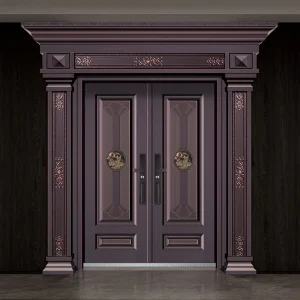
Modern industrial projects rely on heavy-gauge galvanized steel and cast-copper reinforcements. These components provide certified resistance against forced entry, explosions, and ballistics, keeping critical facilities secure.
B2B buyers favor systems that feature intelligent PLC control boxes, radar-based proximity loop detectors, and safety light curtains. These interfaces integrate with Building Management Systems (BMS) for real-time monitoring.
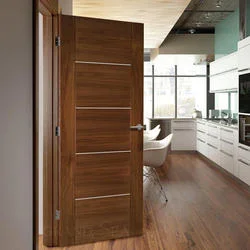
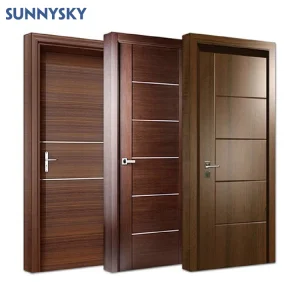
Established in 2006, Dongguan ScotiaFire Doors Co., Ltd. is a leading manufacturer specializing in high-performance structural barrier systems, high-durability steel-wooden armored doors, and custom commercial entryways. Operating from a modern 16,000-square-meter facility with 166 skilled professionals, our daily output exceeds 200 customized sets.
In 2012, ScotiaFire invested in advanced automation to improve production precision and eliminate outdated capacity. This upgrade included German-engineered high-speed turret processing centers, Italian-engineered automatic sanders, and precision CNC bending machines. This allows the company to produce armored doors that meet strict international specifications.
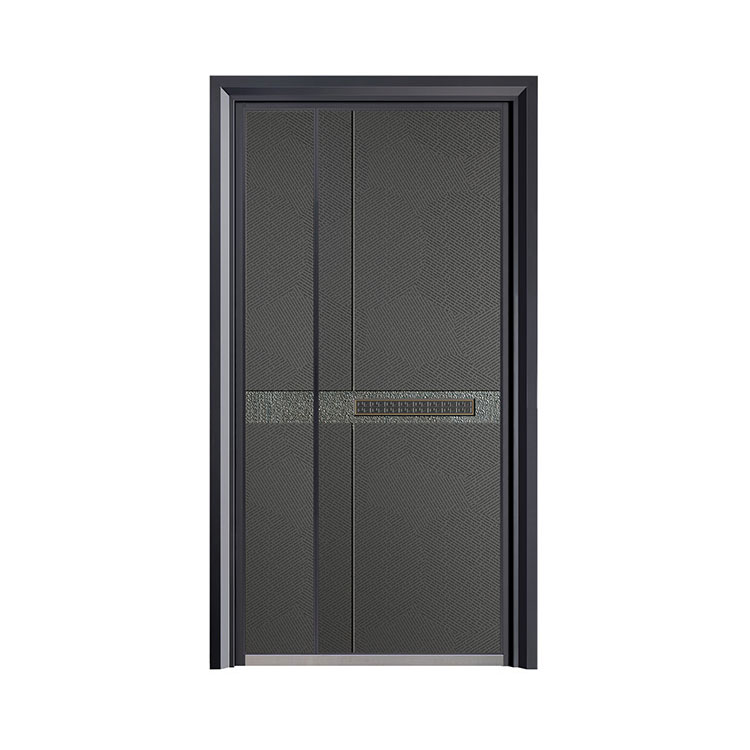
Every commercial layout presents unique spatial challenges. Selecting the right architectural door system requires matching structural materials to specific operational demands:
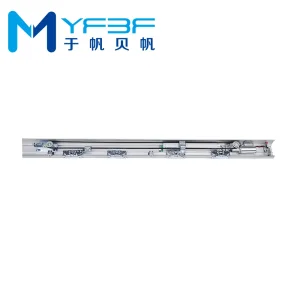
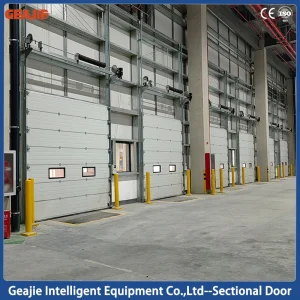
Logistics terminals require reliable, fast-opening overhead gates to maintain cargo flow. Integrating commercial slide operators with light curtains ensures continuous operation, minimizes downtime, and reduces forklift collision risks.
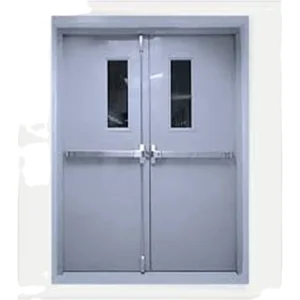
Soundproofing is critical for broadcast studios and testing facilities. Custom-engineered acoustical doors with thick rubber perimeter seals and insulated vision lites block external noise, maintaining decibel control.
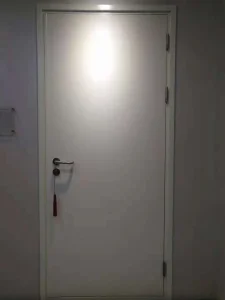
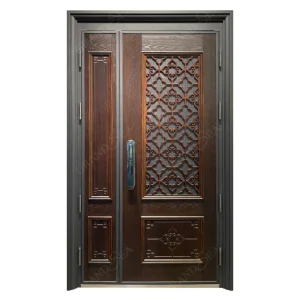
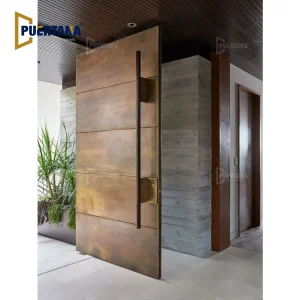
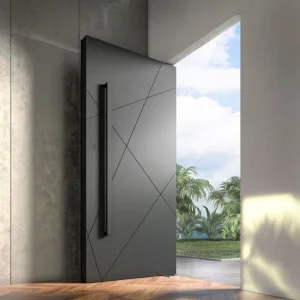
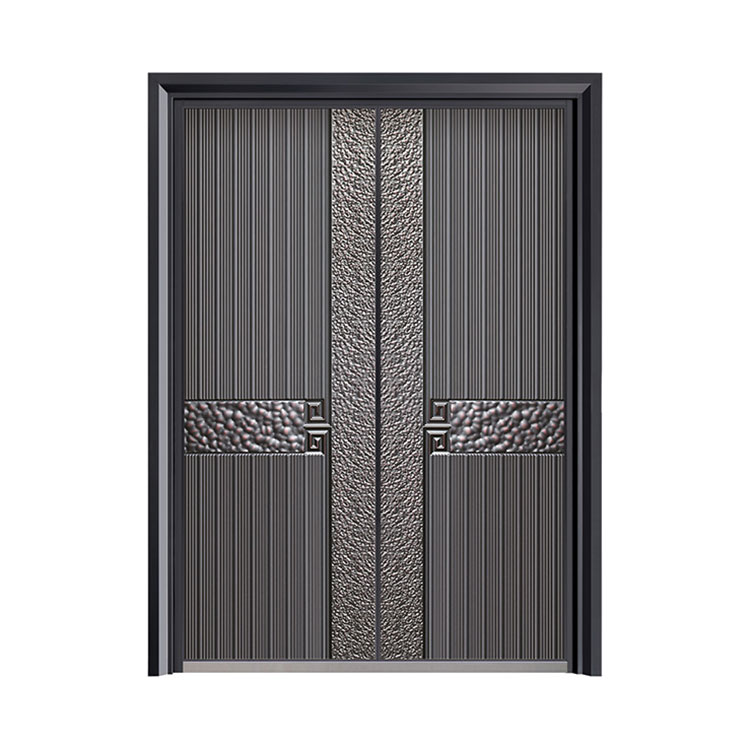
Financial centers, military complexes, and hazardous storage sites use explosion-proof, bulletproof cast copper, and heavy-gauge steel armored entrances. These structures resist extreme physical forces.
ScotiaFire's build-to-order manufacturing process allows B2B procurement partners to specify custom dimensions, paint finishes, and security ratings. This ensures seamless integration with on-site requirements.
The next generation of industrial doors focuses on energy efficiency and smart physical security. Research and development teams are integrating high-durability composites, vacuum-insulated core panels, and active thermal breaks. These advancements help commercial projects meet green building standards like LEED and BREEAM.
On the technology front, advanced door operators now use predictive maintenance software. Sensors monitor motor temperatures, spring tension, and cycle counts, alerting managers to service needs before components fail. This minimizes unscheduled downtime in manufacturing lines.
By combining high-performance motors with lightweight materials, modern roll-up and sectional doors operate faster without compromising security. This balance of speed and structural strength is crucial for modern industrial facilities.
 ScotiaFire Doors